LKAB Kiruna
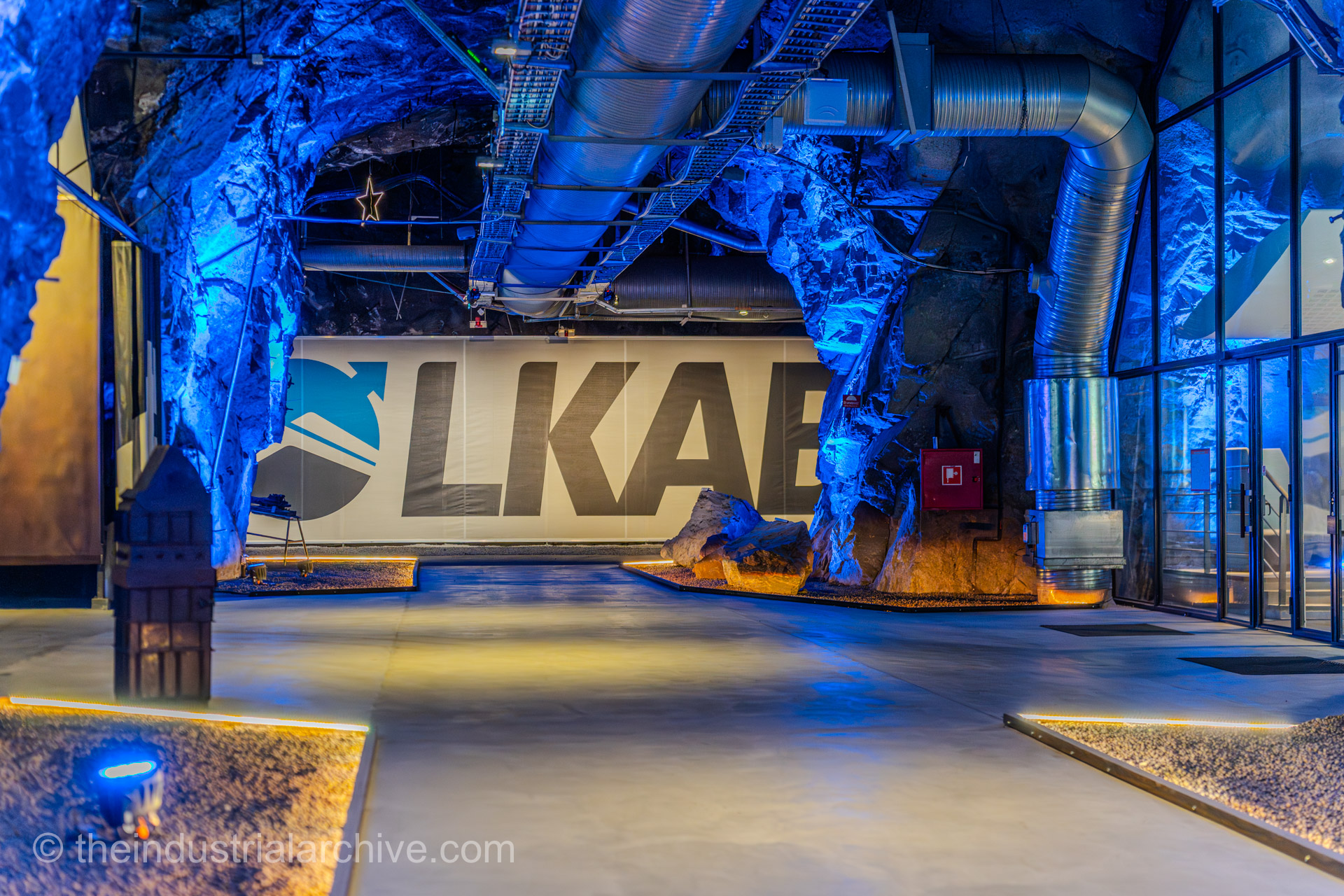
During our stay in northern Sweden, we were invited to visit the LKAB Visitor Centre in Kiruna and experience one of the world’s most advanced underground iron ore mines. The Kiruna mine is the largest underground iron ore mine in the world, and seeing it from the inside offered a unique perspective on Swedish steel production, mining technology, and the future of fossil free steel.
Driving 330 Meters Underground into the Kiruna Mine
The visit started with mandatory safety instructions, which are required before entering any active mining site. After the briefing, we boarded a bus and drove straight into the mountain via the general access road. Instead of taking a traditional elevator shaft, we followed a drivable tunnel that gradually brought us deeper underground.
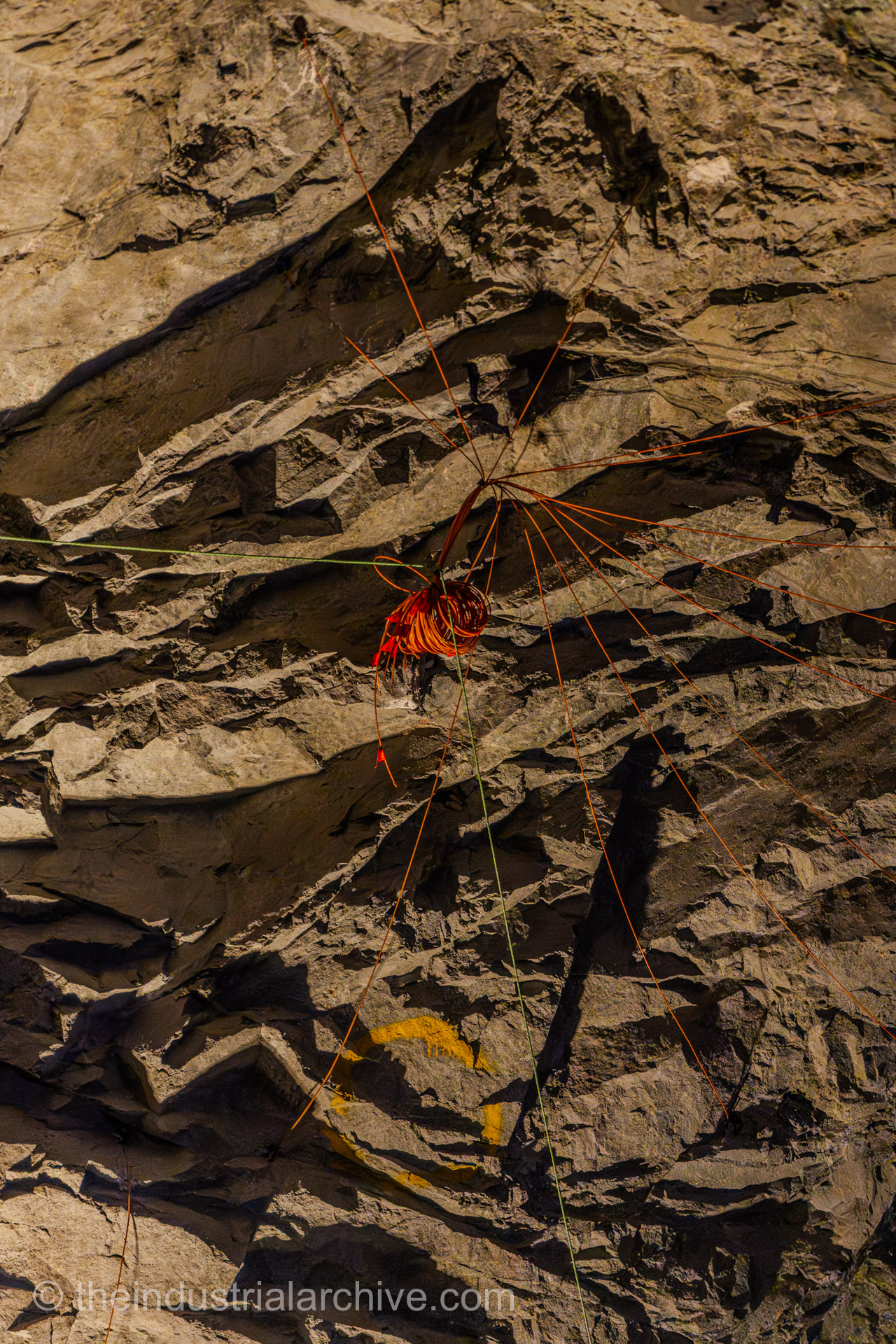
The LKAB Visitor Centre in Kiruna is located approximately 330 meters below ground level. It is situated in an older part of the mine where all ore has already been extracted. Repurposing mined out sections for education and tours is a smart way to combine industrial operations with public engagement.
LKAB and Swedish Steel Production
The tour began with an informative video about LKAB and its central role in Sweden’s mining and steel industry. LKAB extracts high grade magnetite iron ore in Kiruna, which is essential for efficient and high quality steel production.
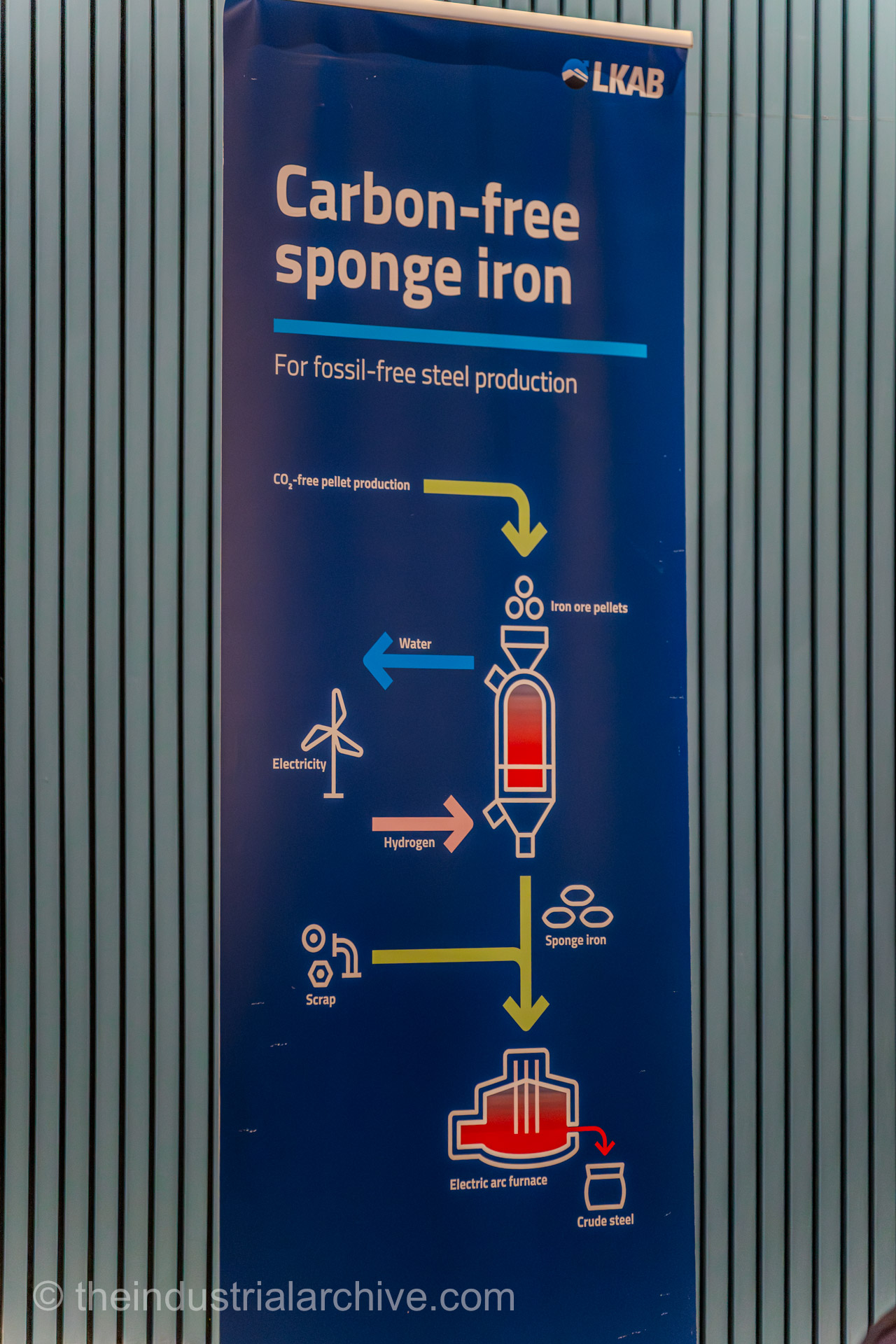
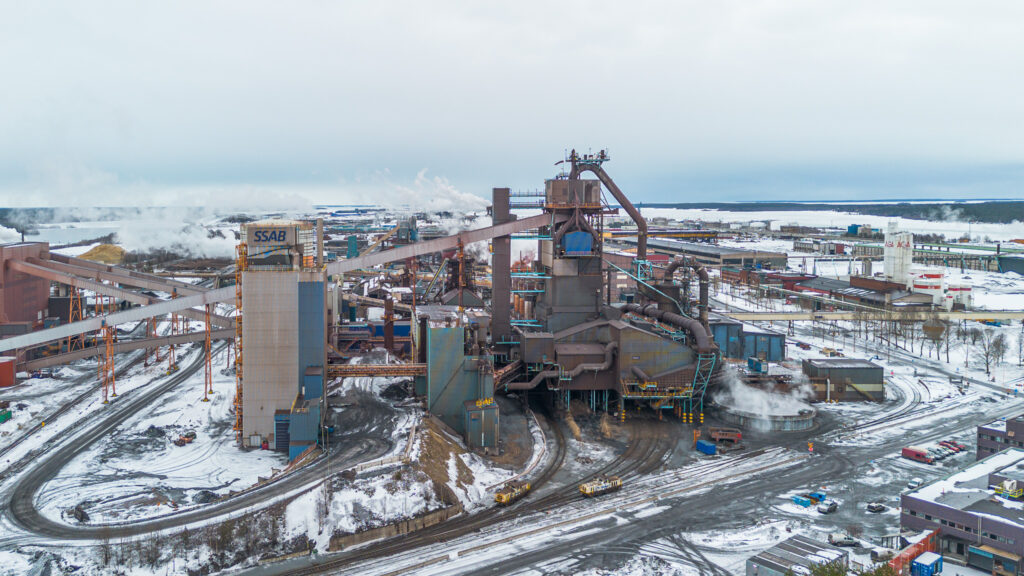
In cooperation with SSAB, LKAB forms a key part of the Swedish steel value chain. After extraction, the magnetite ore is processed above ground into iron ore pellets. These small, spherical pellets are optimized for transport and blast furnace use.
From Kiruna, the pellets are transported by rail to two main destinations:
- Narvik, where the ice free port enables international export of Swedish iron ore.
- Luleå, home to SSAB’s blast furnace and a major hub for Swedish steel production.
This efficient logistics chain makes the Kiruna iron ore mine a cornerstone of both national and international steel markets.
Hydrogen Based Steel and the Future of Mining in Kiruna
One of the most interesting parts of the visit was learning about LKAB’s work toward fossil free steel. Together with SSAB, the company is developing new processes that aim to replace coke in traditional blast furnaces with hydrogen. This shift could significantly reduce carbon emissions from steel production and supports European and local climate goals.
At the same time, LKAB has identified a new iron ore body a few kilometers north of the current mining area. There are plans to expand mining operations in the future. However, environmental regulations and climate commitments may influence how, when and if such expansion can take place.
3D Models and Historic Mining Equipment Underground
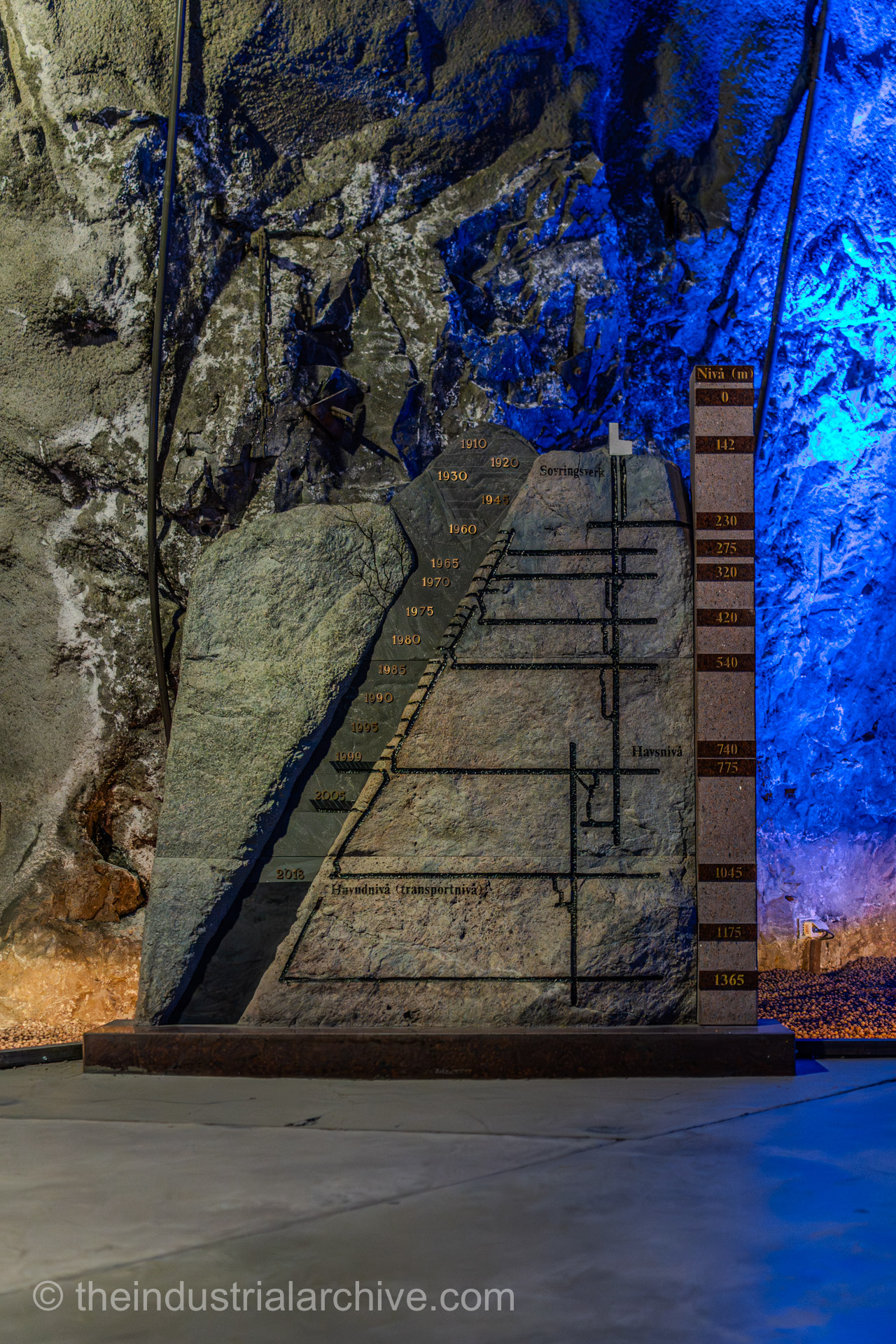
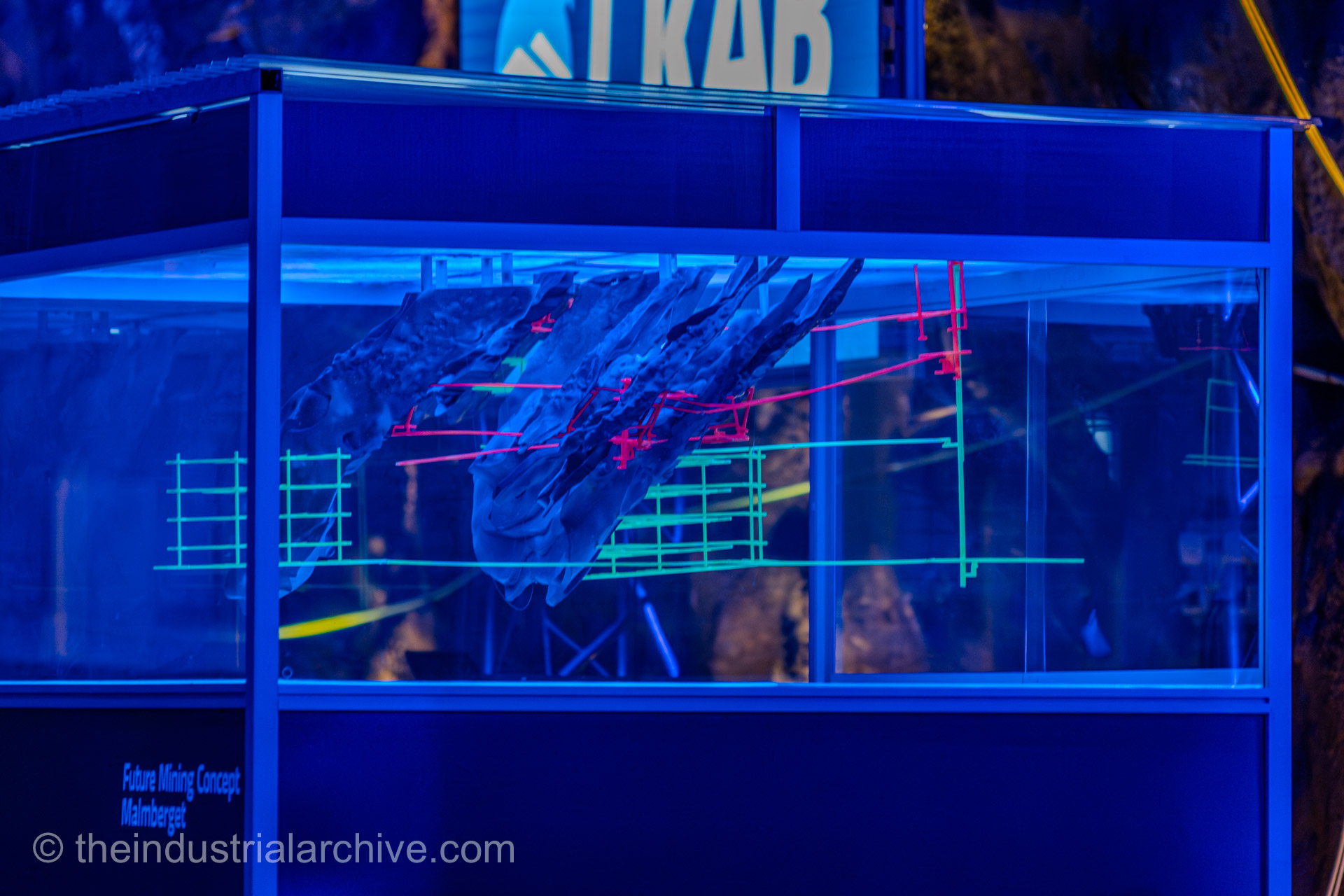
The visitor center also features detailed 3D models of the Kiruna ore body and the network of mineshafts. These models clearly illustrate how the ore extends beneath the city and why parts of Kiruna have had to be relocated due to ground deformation caused by decades of mining.
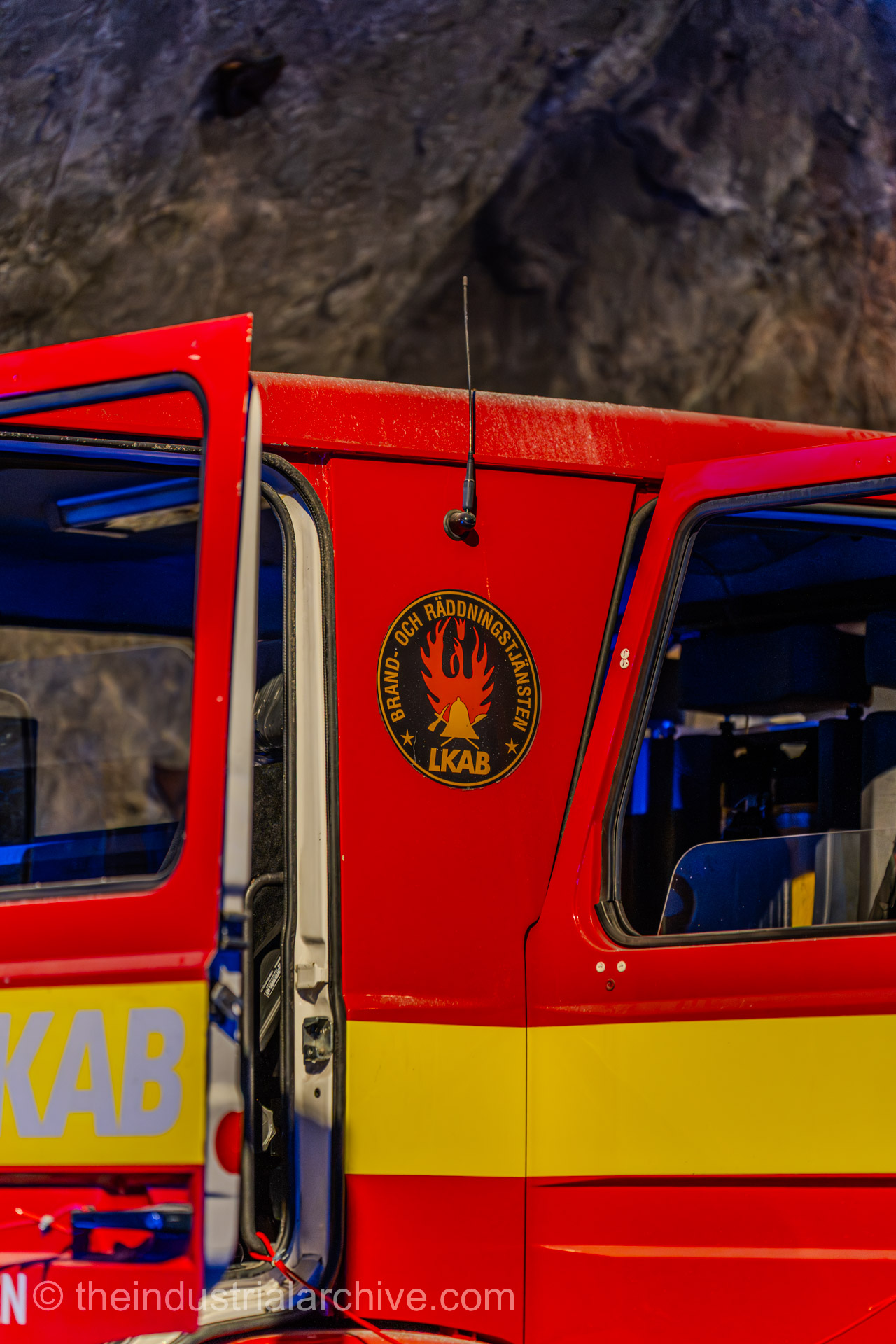
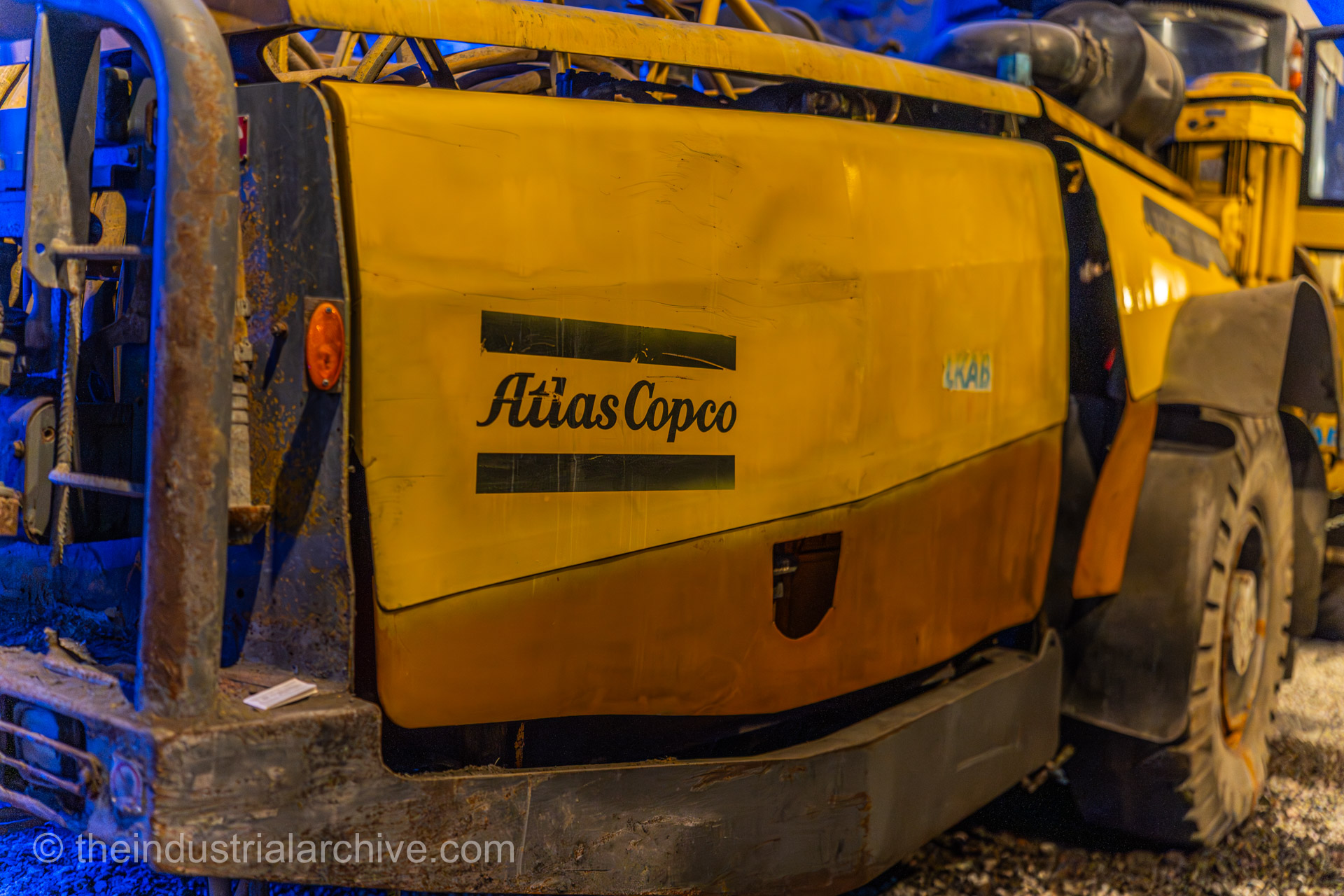
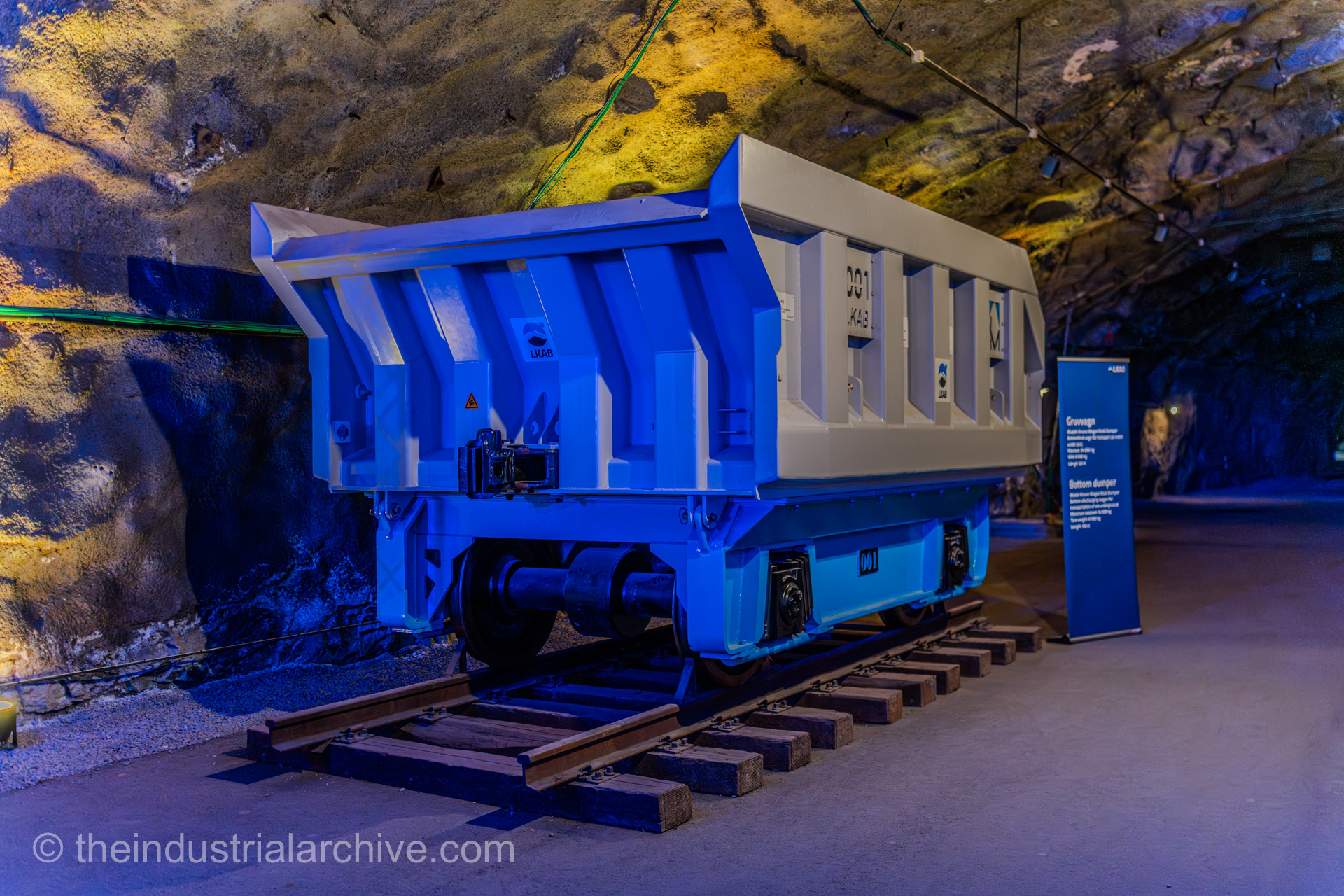
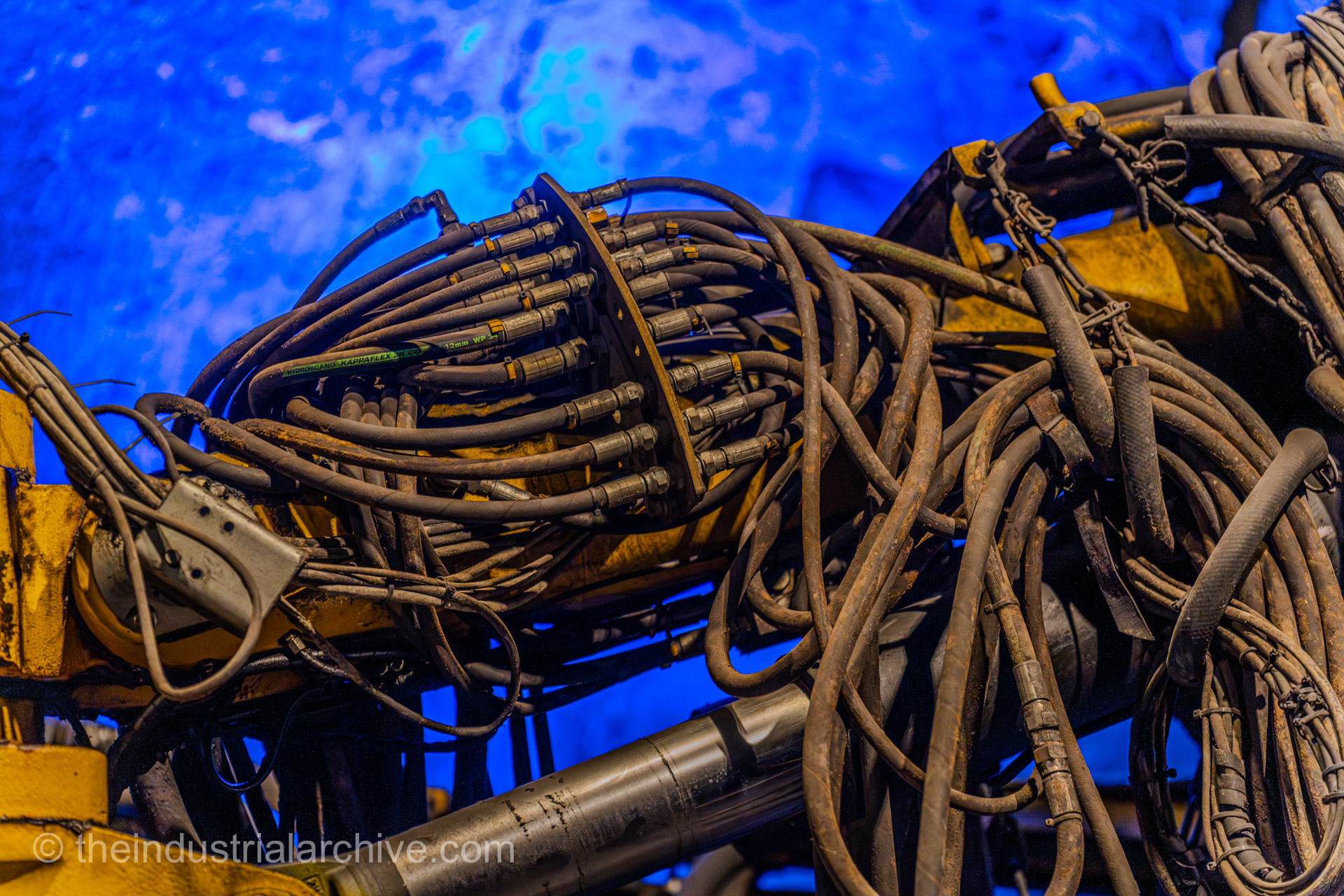
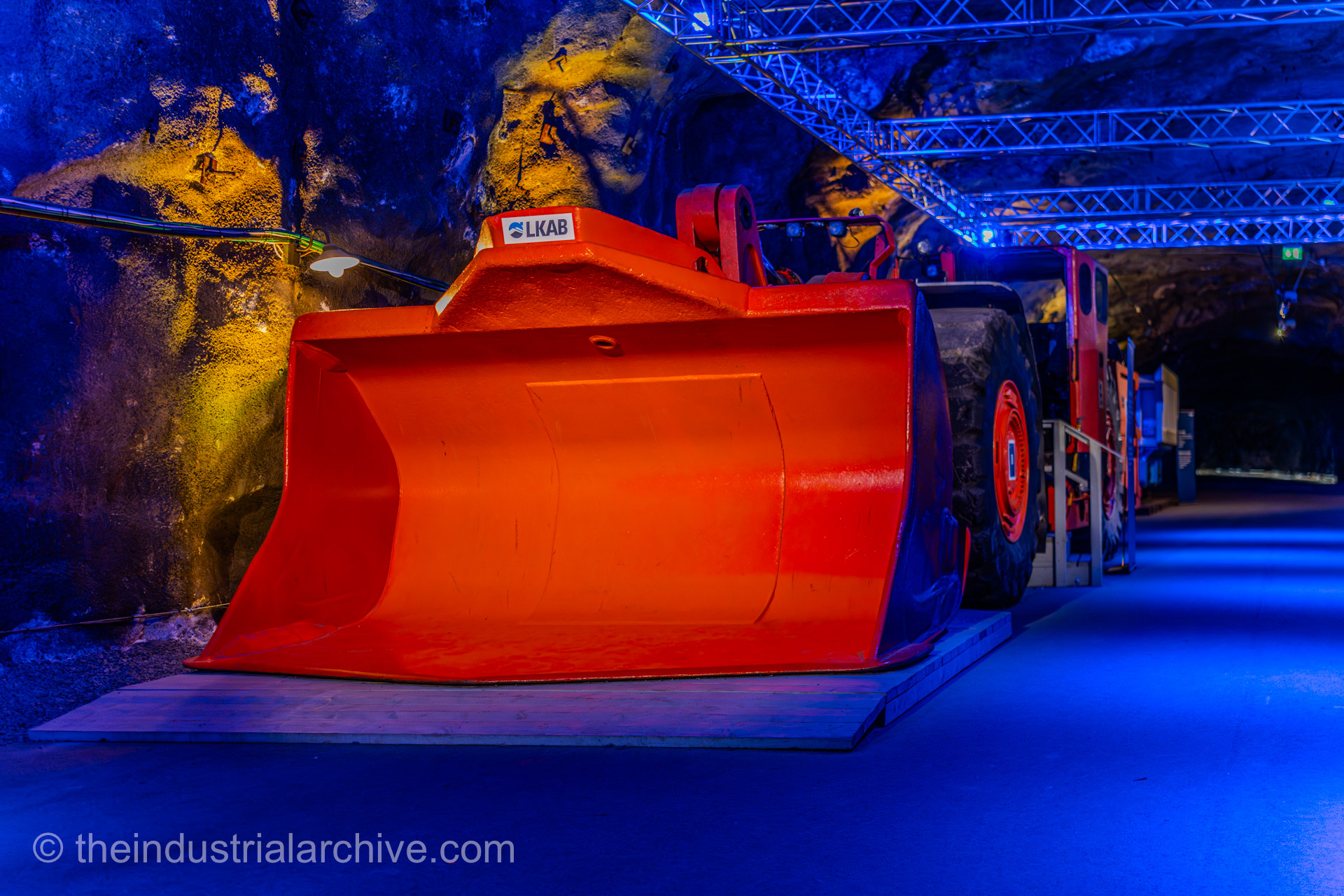
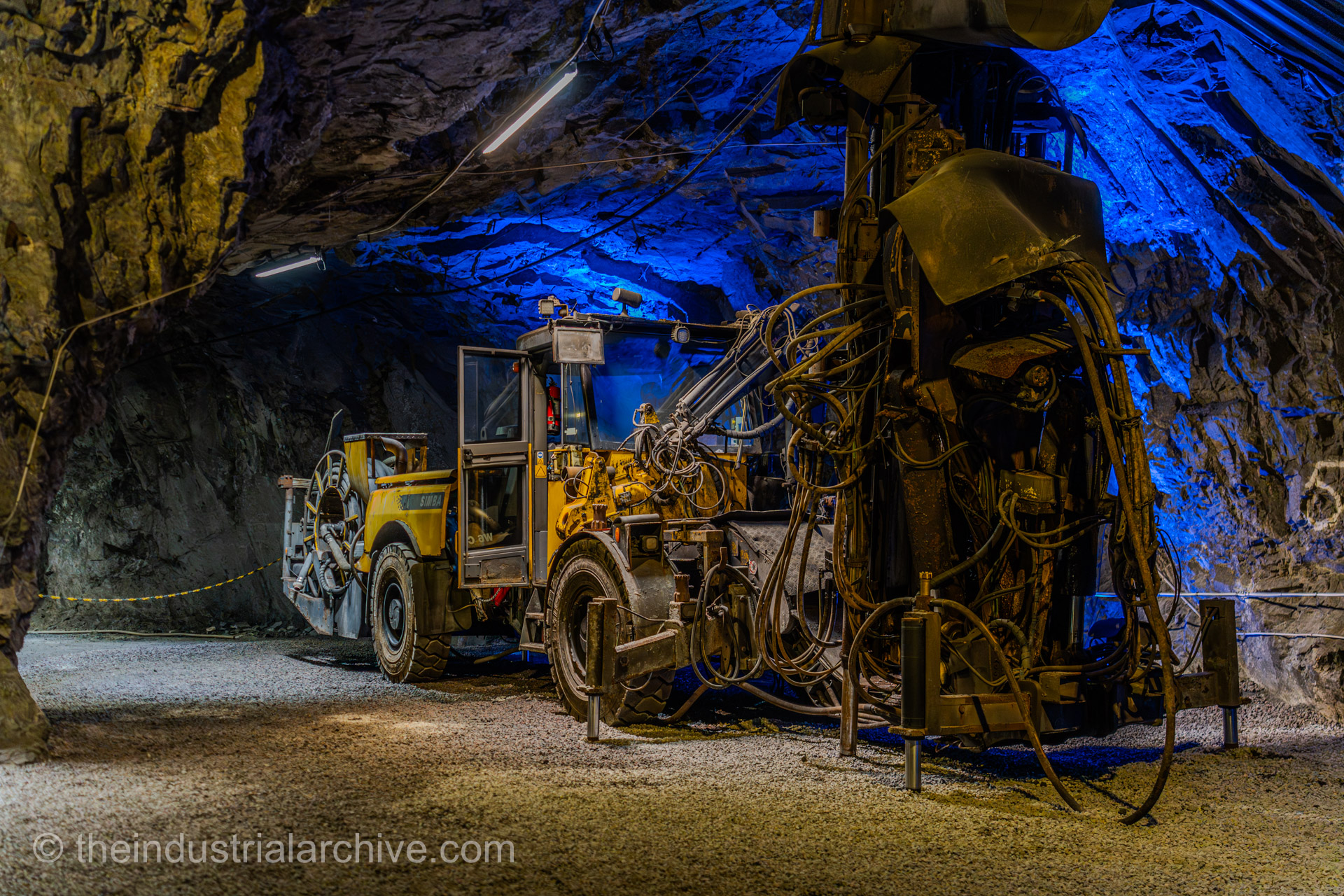
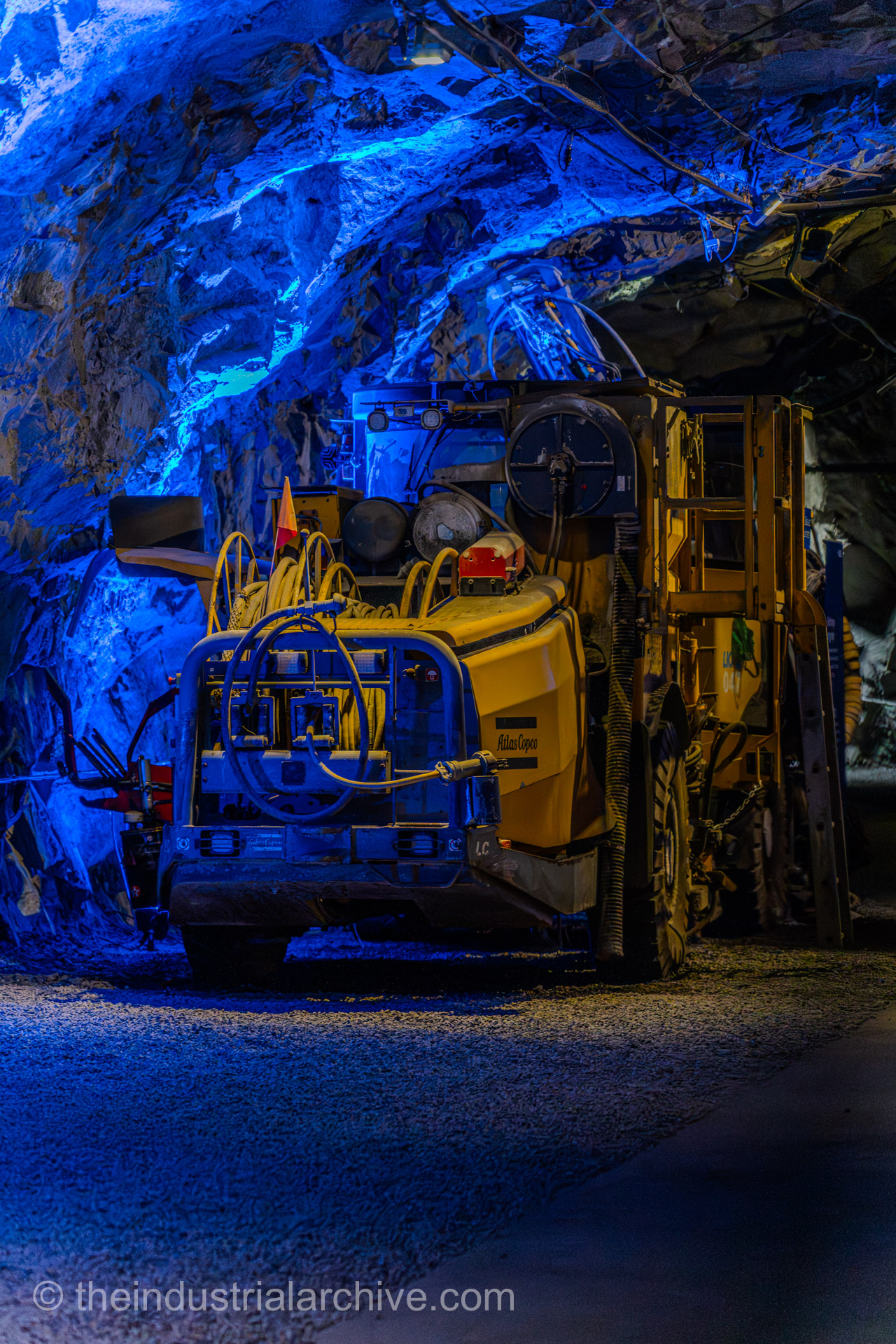
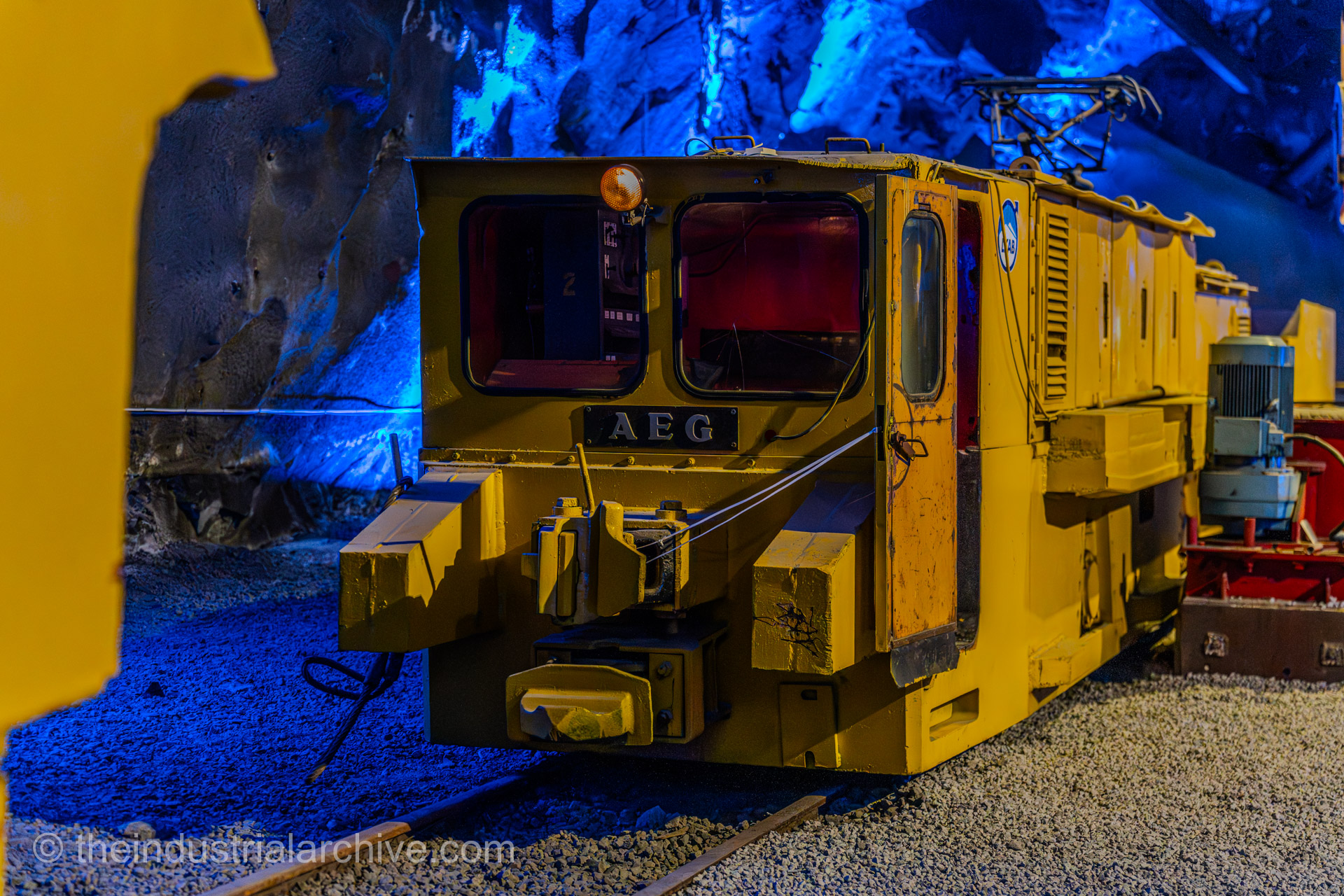
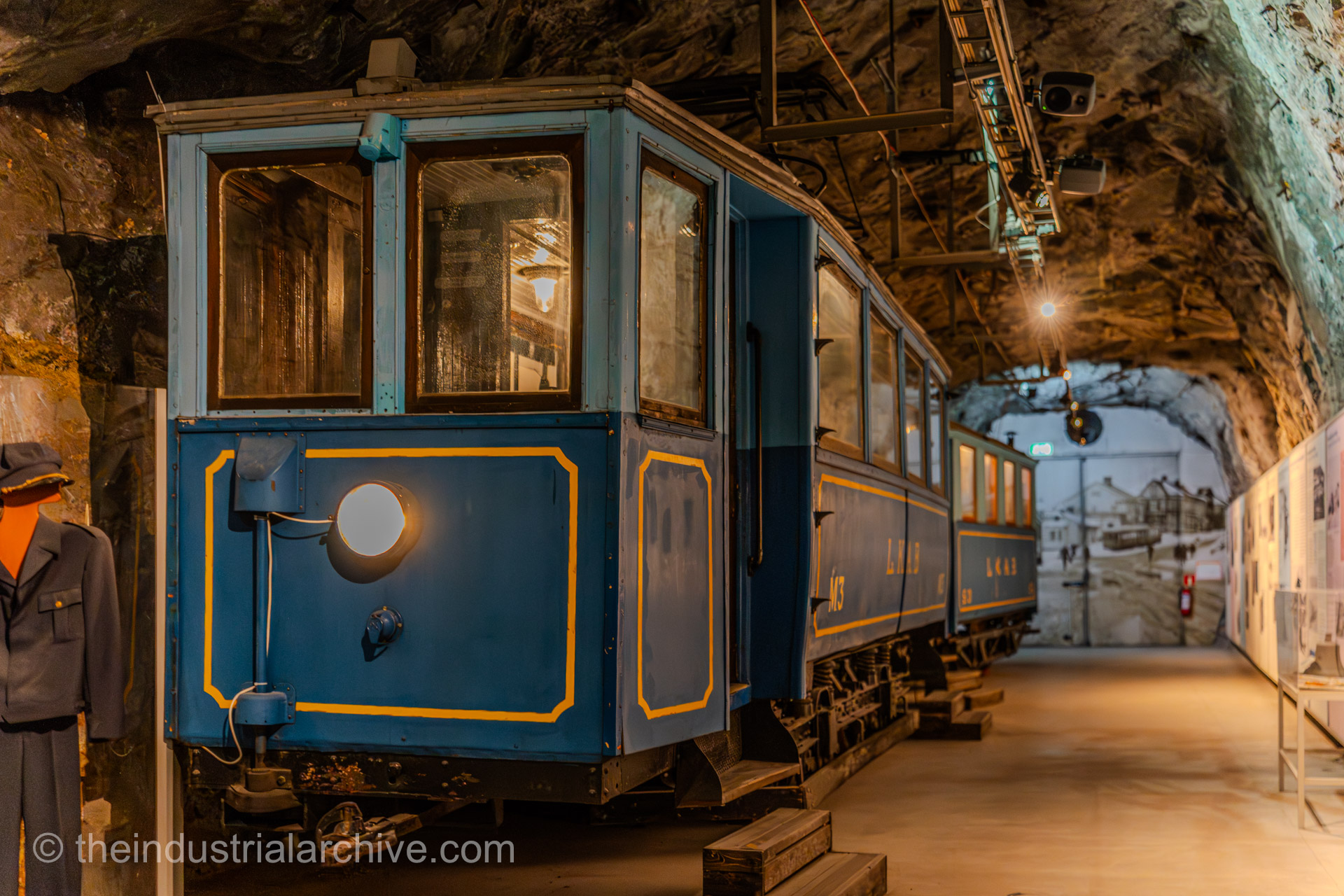
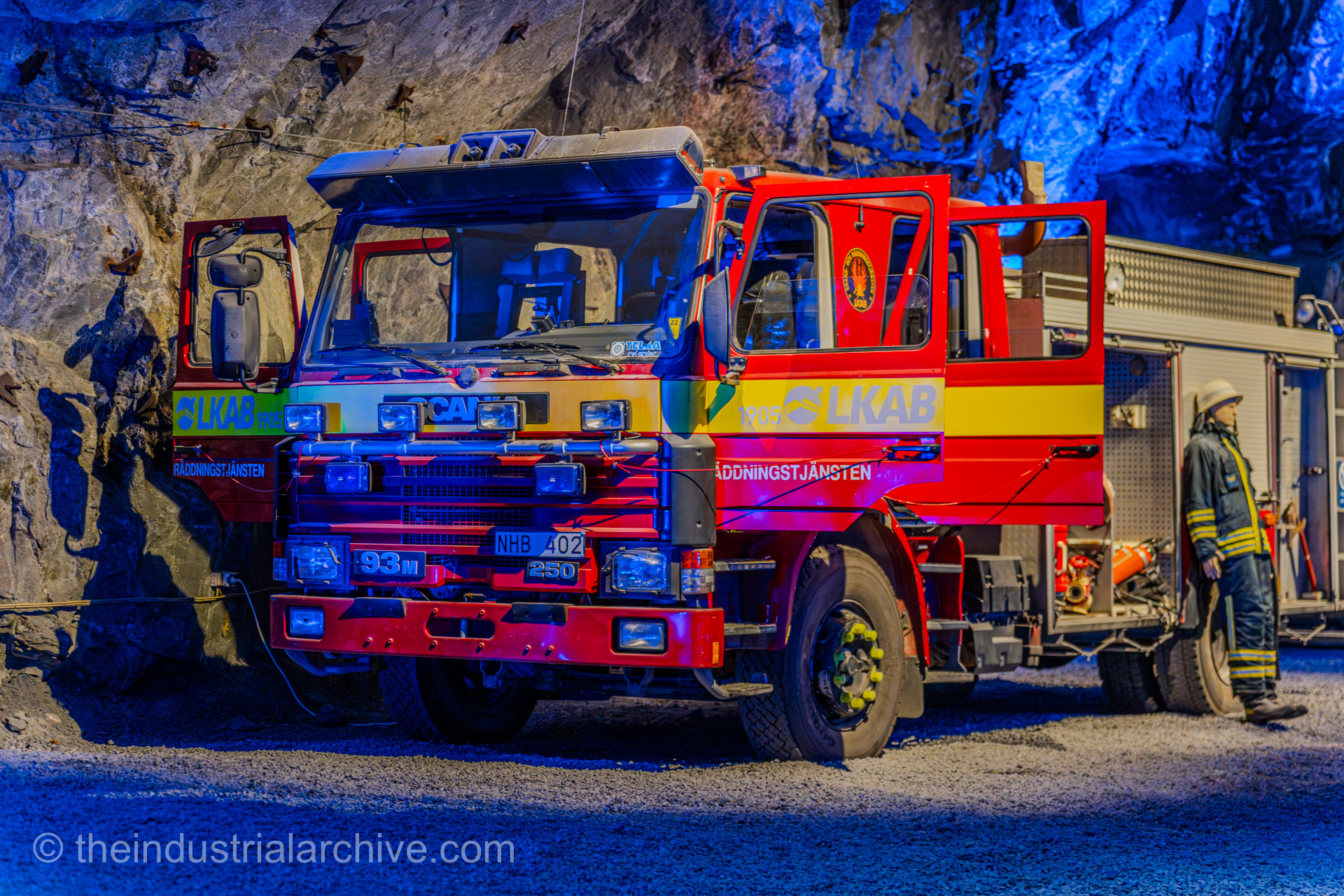
In addition, the exhibition includes older mining vehicles and equipment, offering insight into how underground mining technology has evolved over time. Seeing this equipment in the actual underground environment adds depth to the experience and highlights the scale of operations at the Kiruna iron ore mine.
A Unique Underground Experience in Swedish Lapland
Visiting the LKAB Visitor Centre in Kiruna is more than a typical industrial tour. It is an opportunity to explore a working underground iron ore mine, understand the importance of magnetite in Swedish steel production, and learn how heavy industry is adapting to a low carbon future.
For anyone interested in mining, engineering, sustainability, or Swedish industry, the Kiruna mine offers a rare and impressive behind the scenes experience deep below the Arctic landscape.