Kraftverk Tyssedal
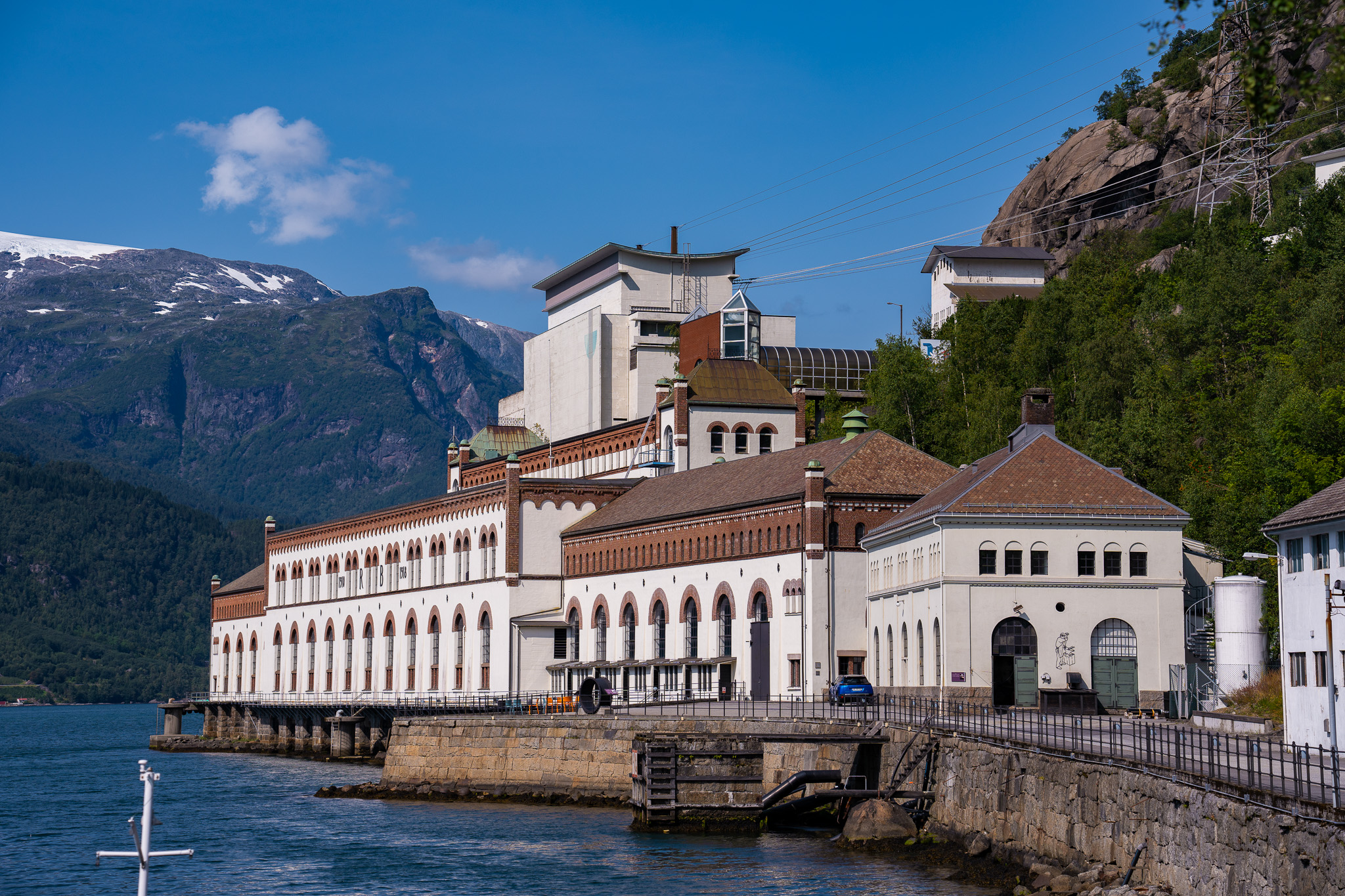
Kraftverk Tyssedal, located in the rugged landscape of western Norway, is a landmark of early hydroelectric power generation. Constructed between 1906 and 1918, the facility played a crucial role in Norway’s industrialization, converting the region’s abundant water resources into electricity. The power station’s operations were vital to industries such as aluminum production, which required vast amounts of energy to sustain its processes.
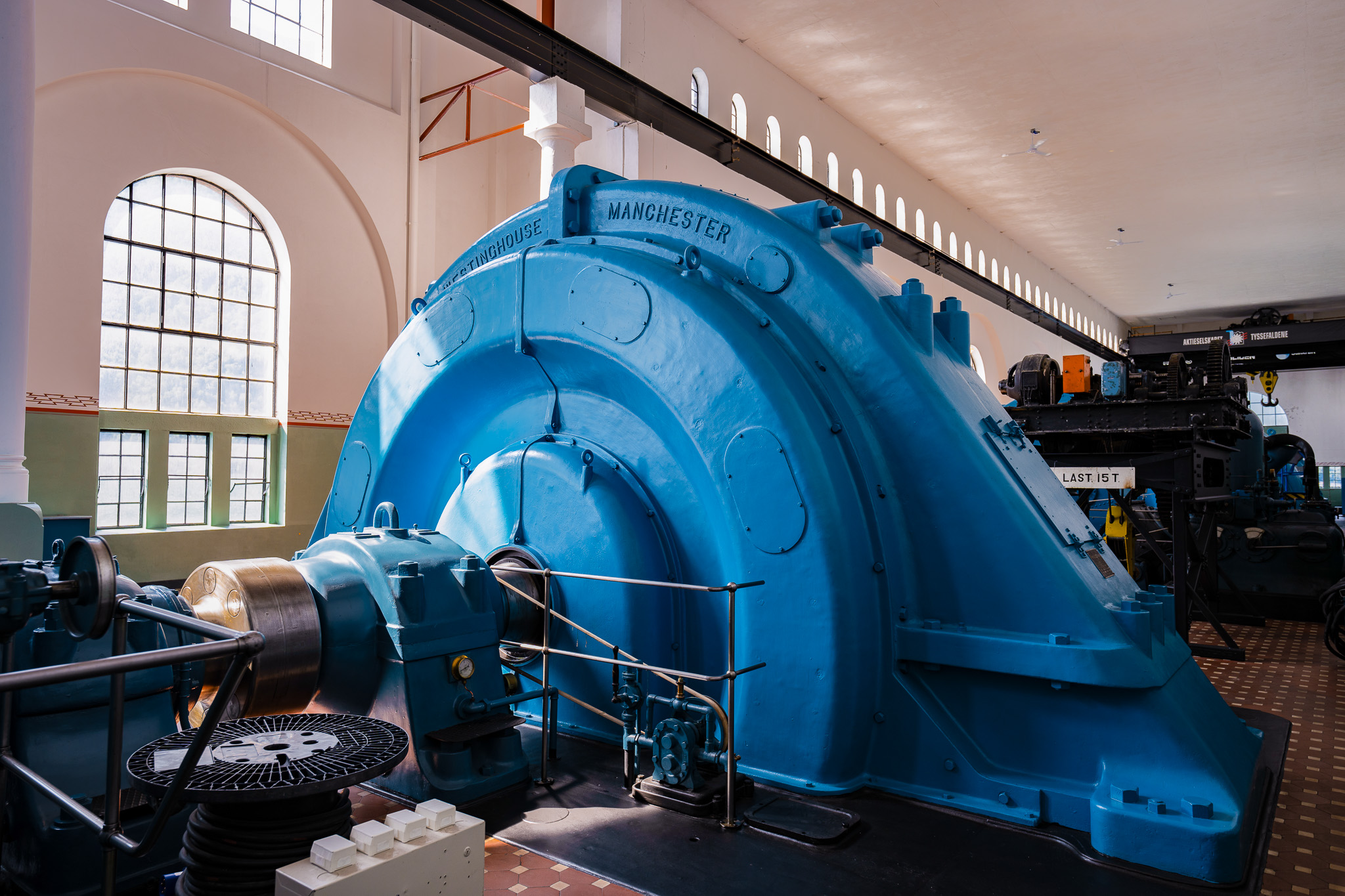
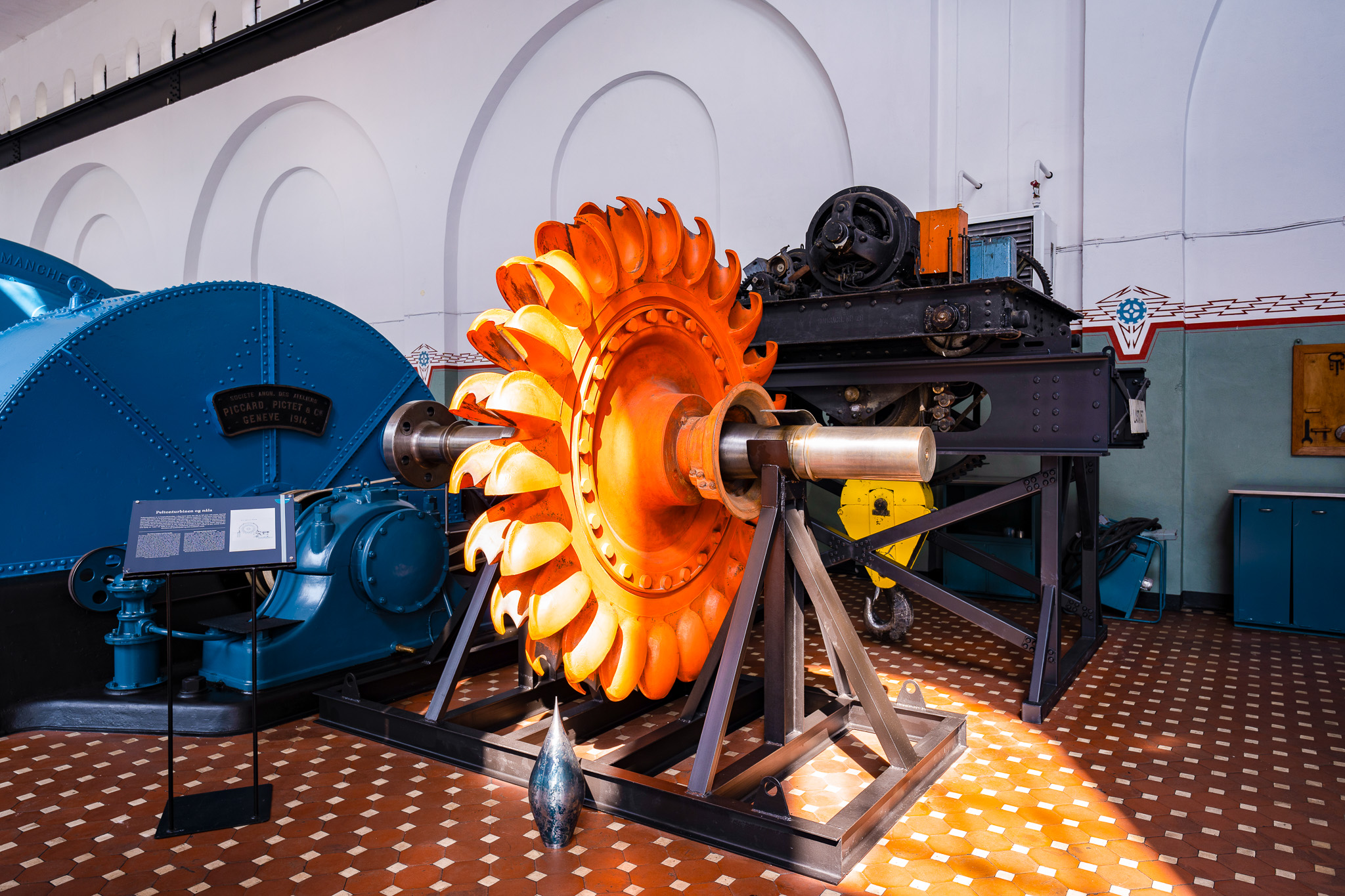
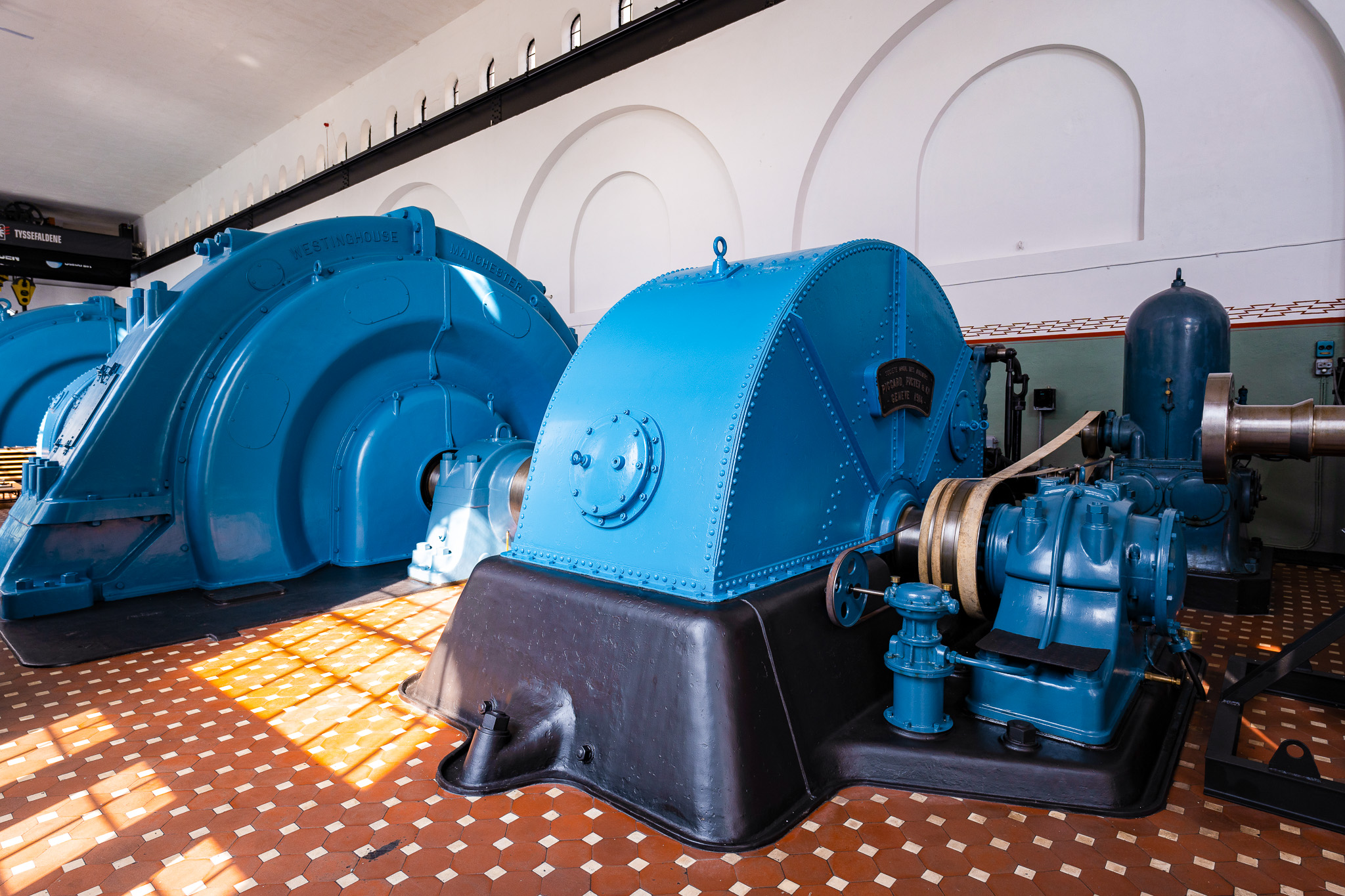
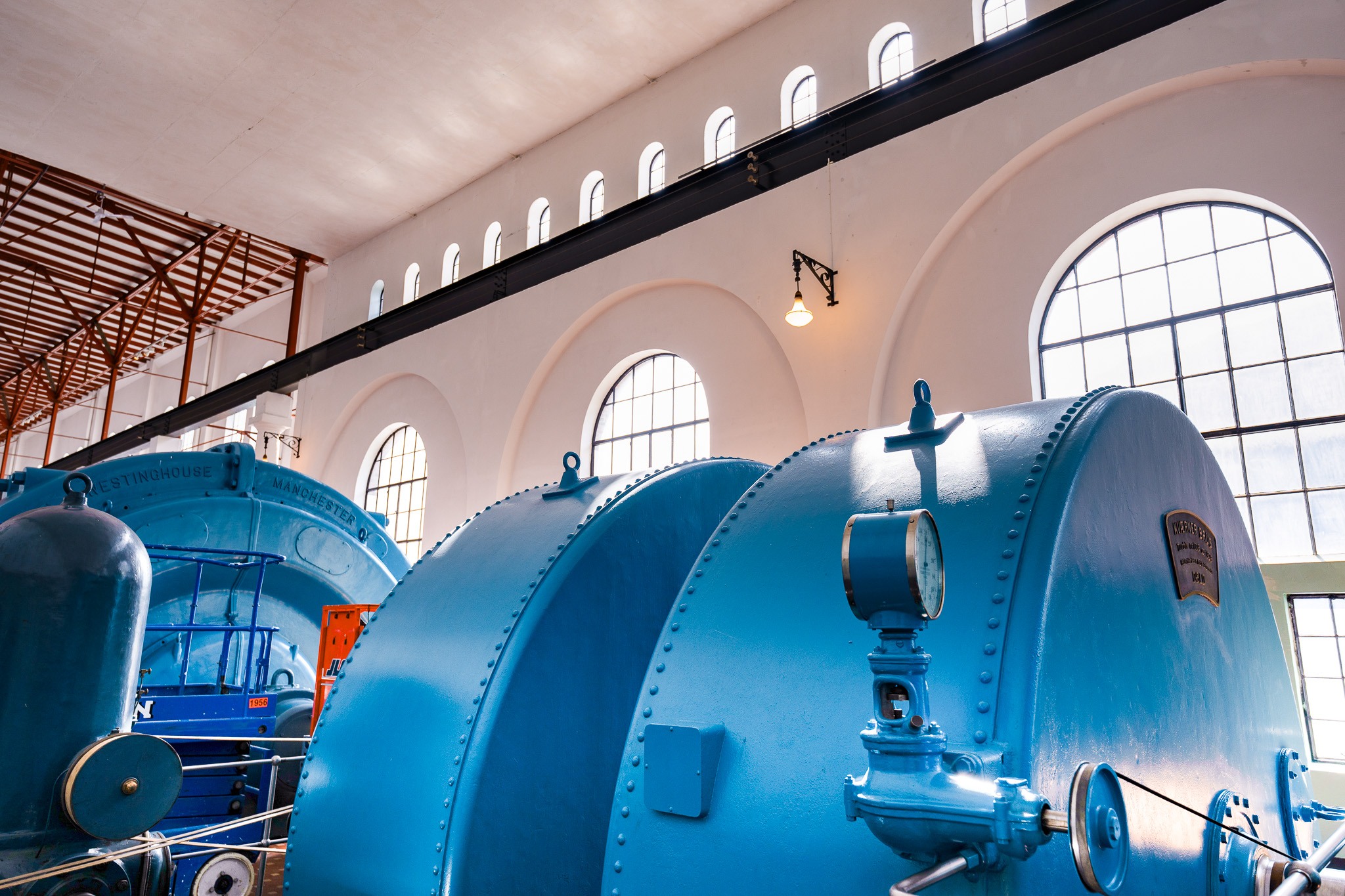
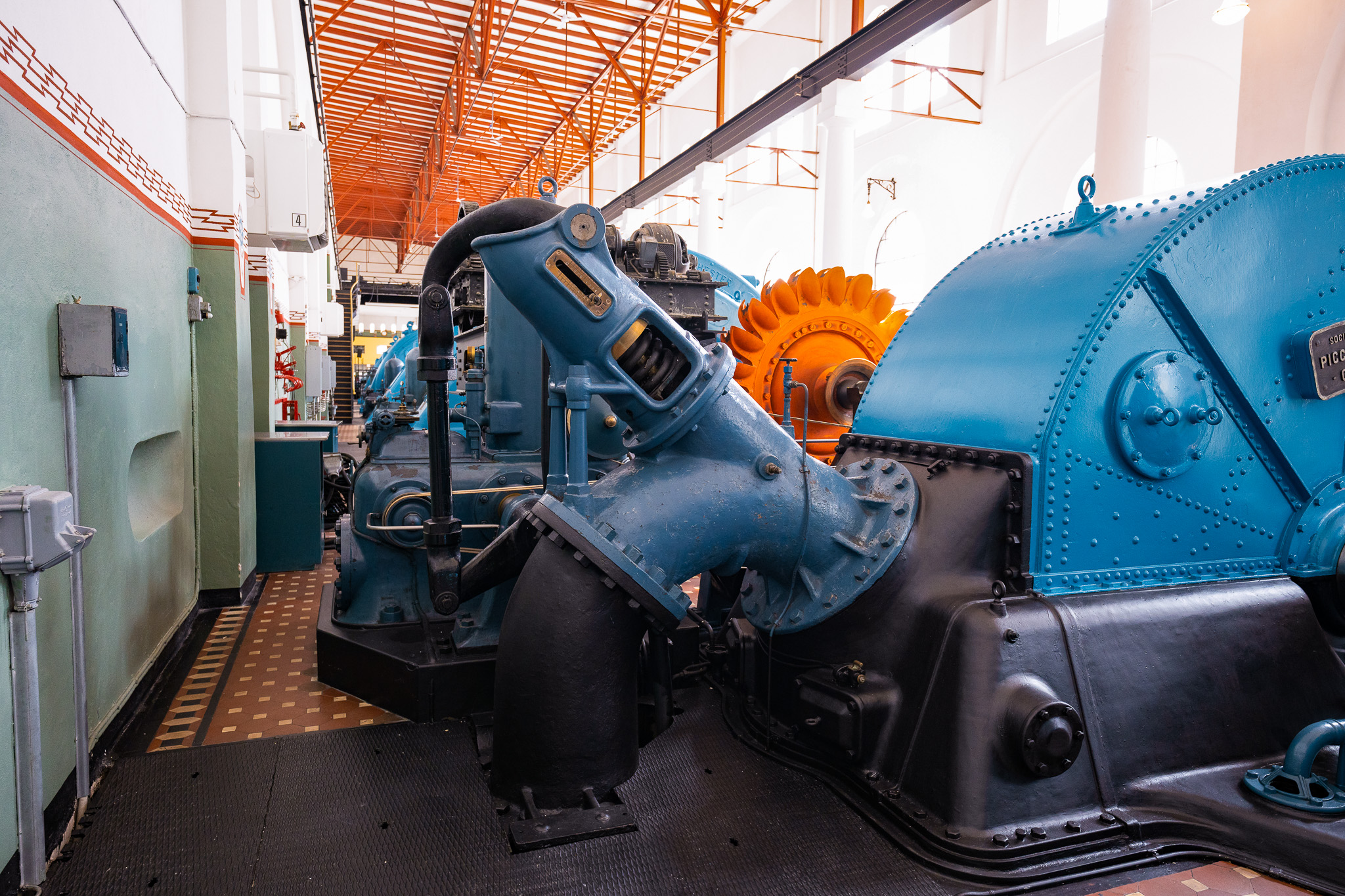
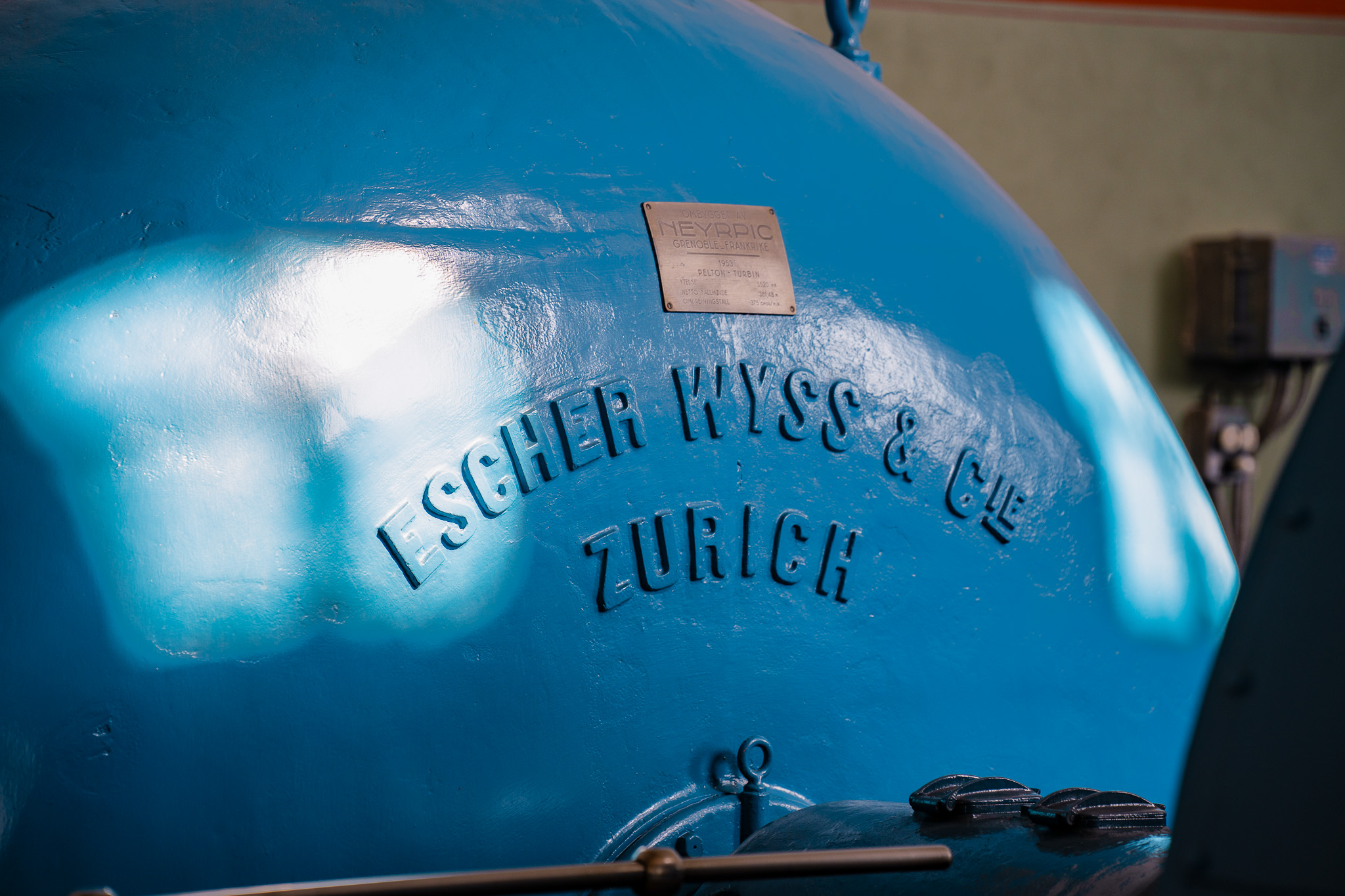
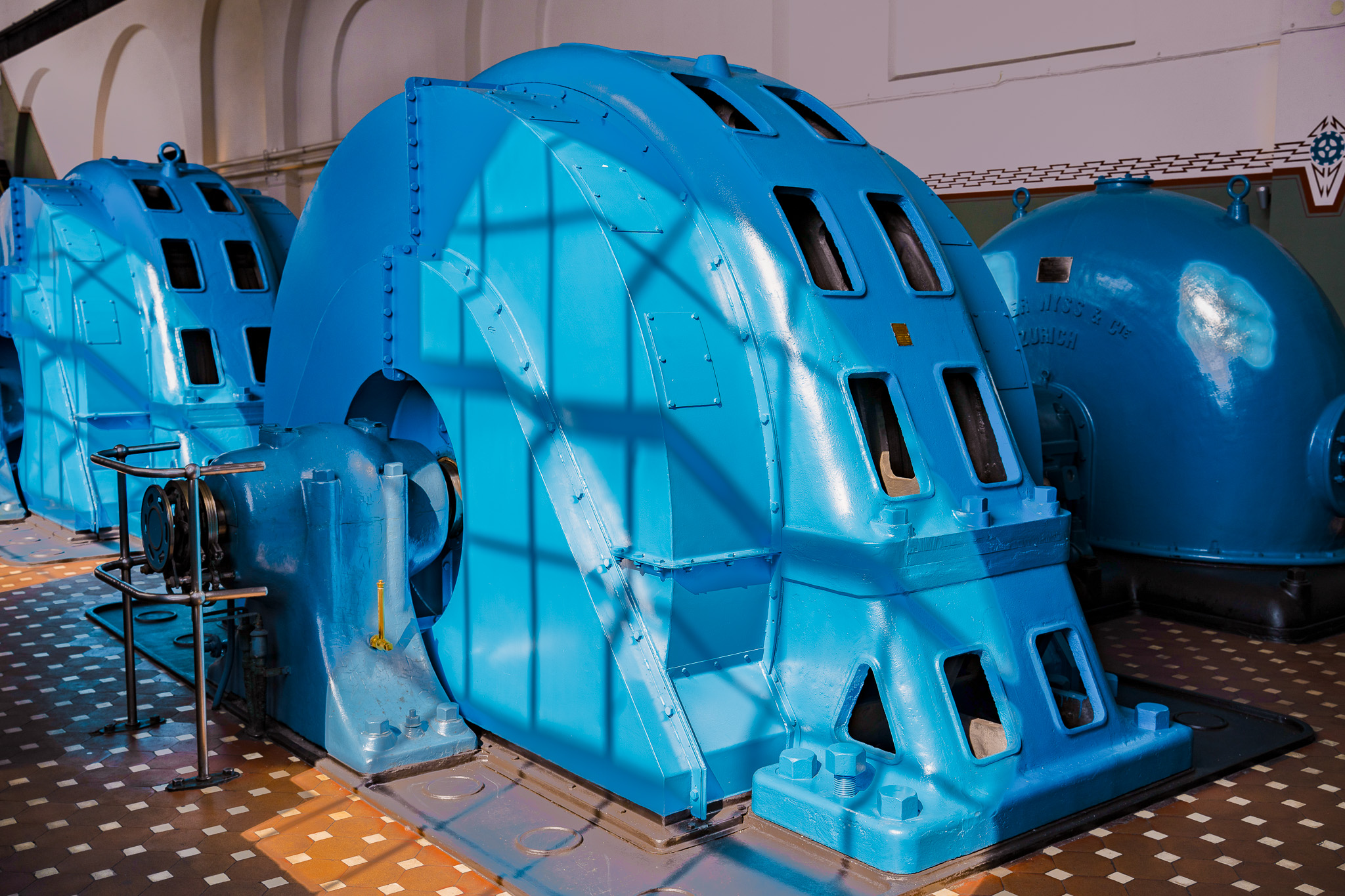
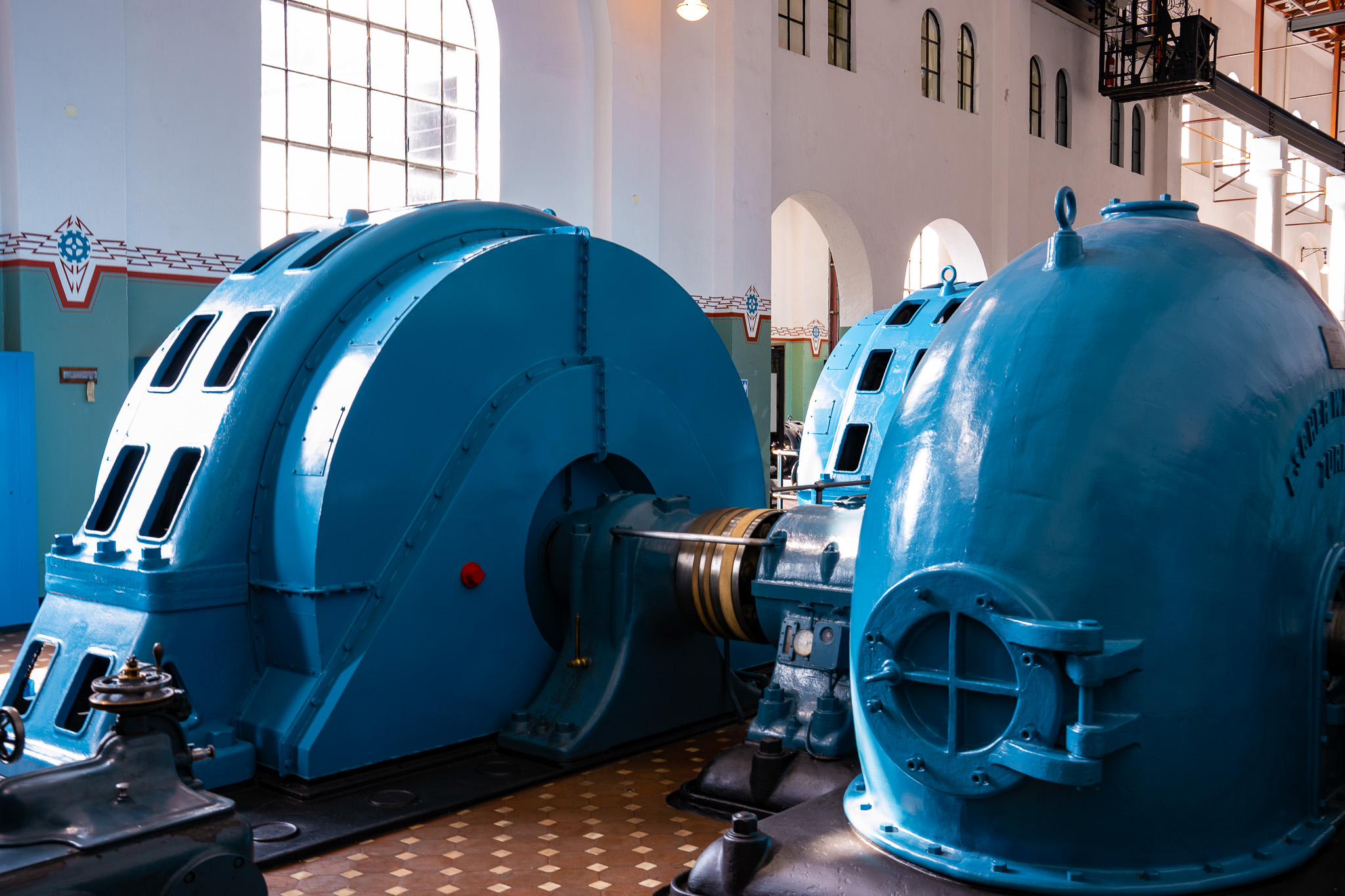
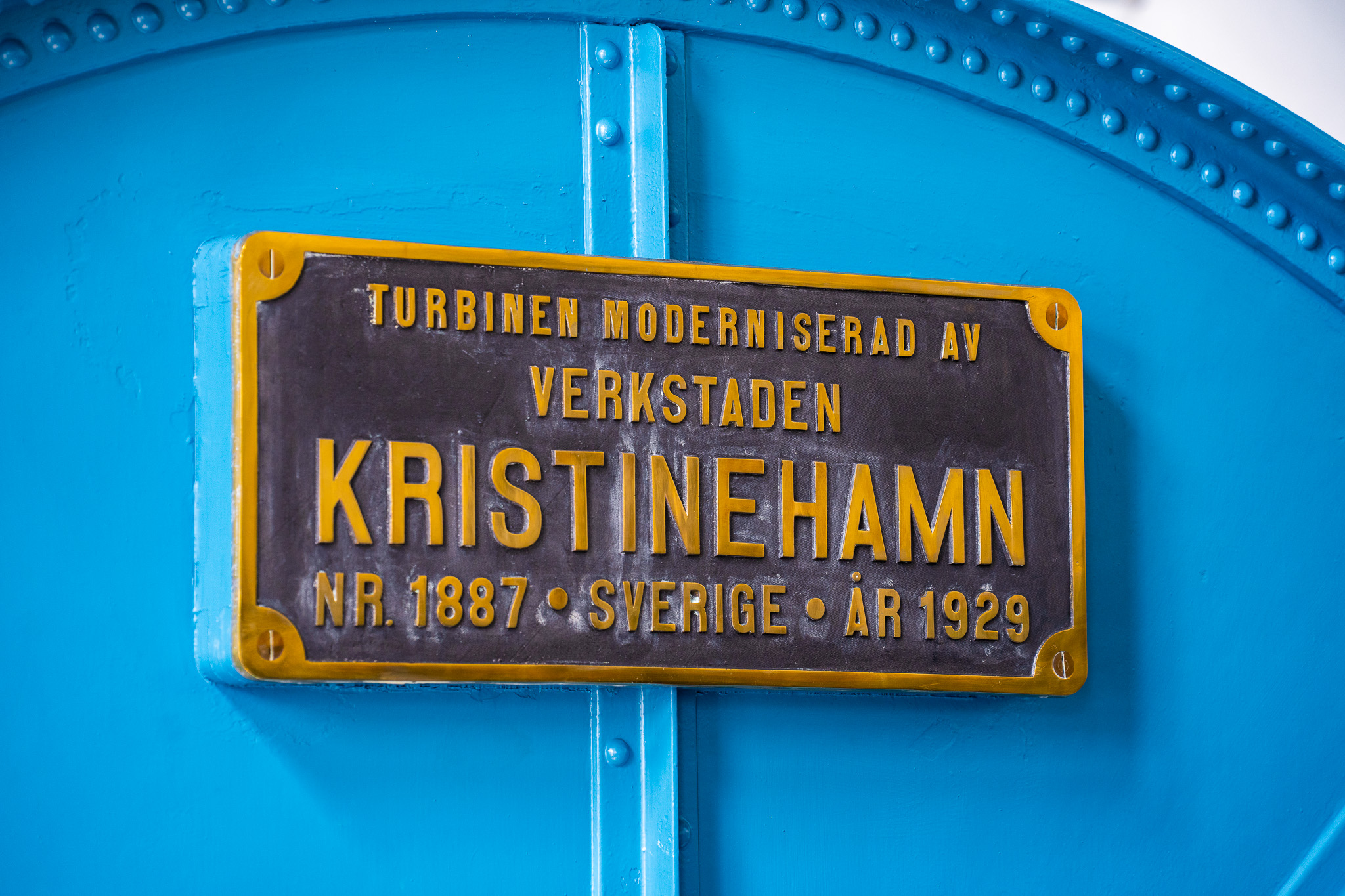
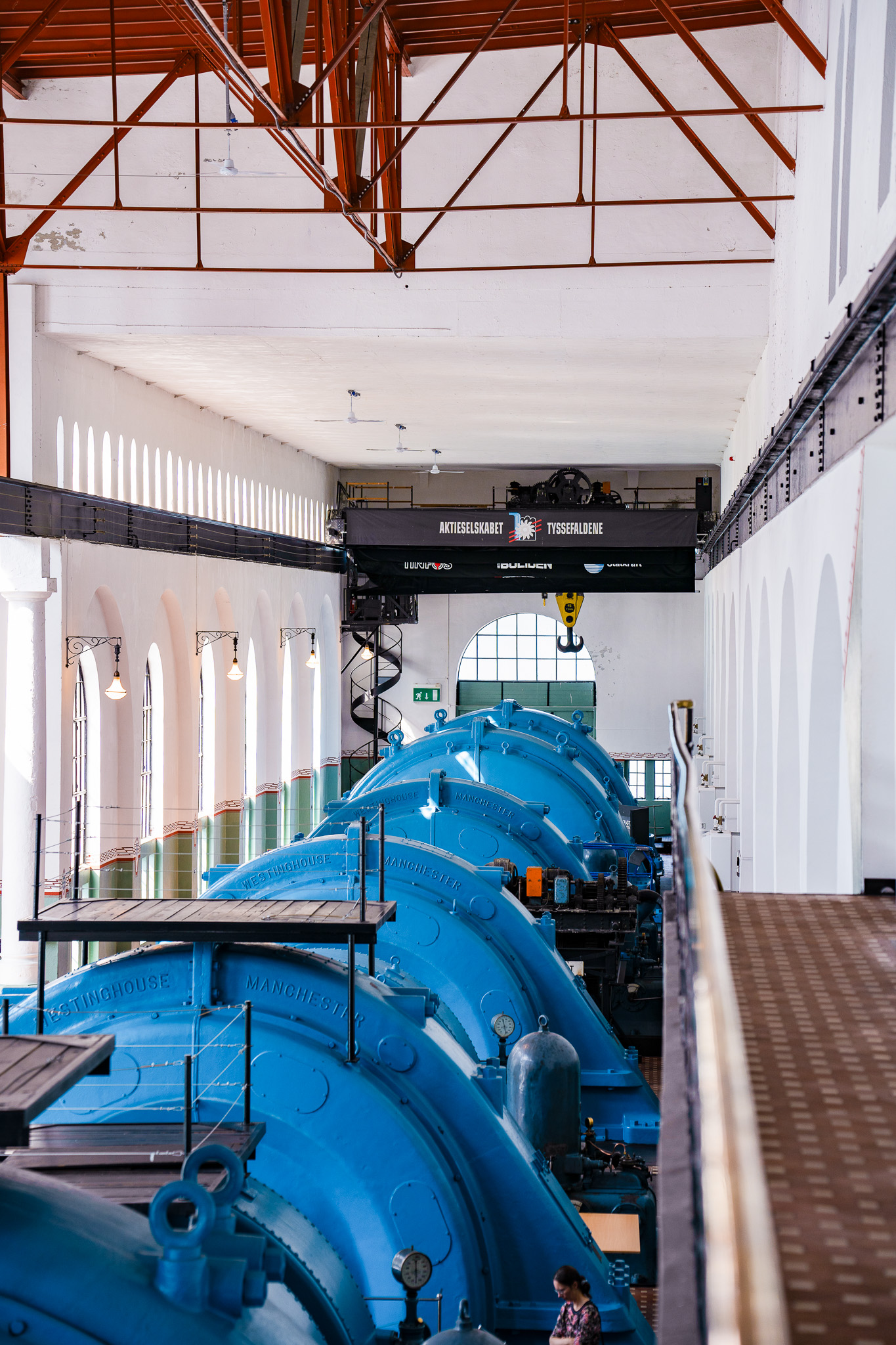
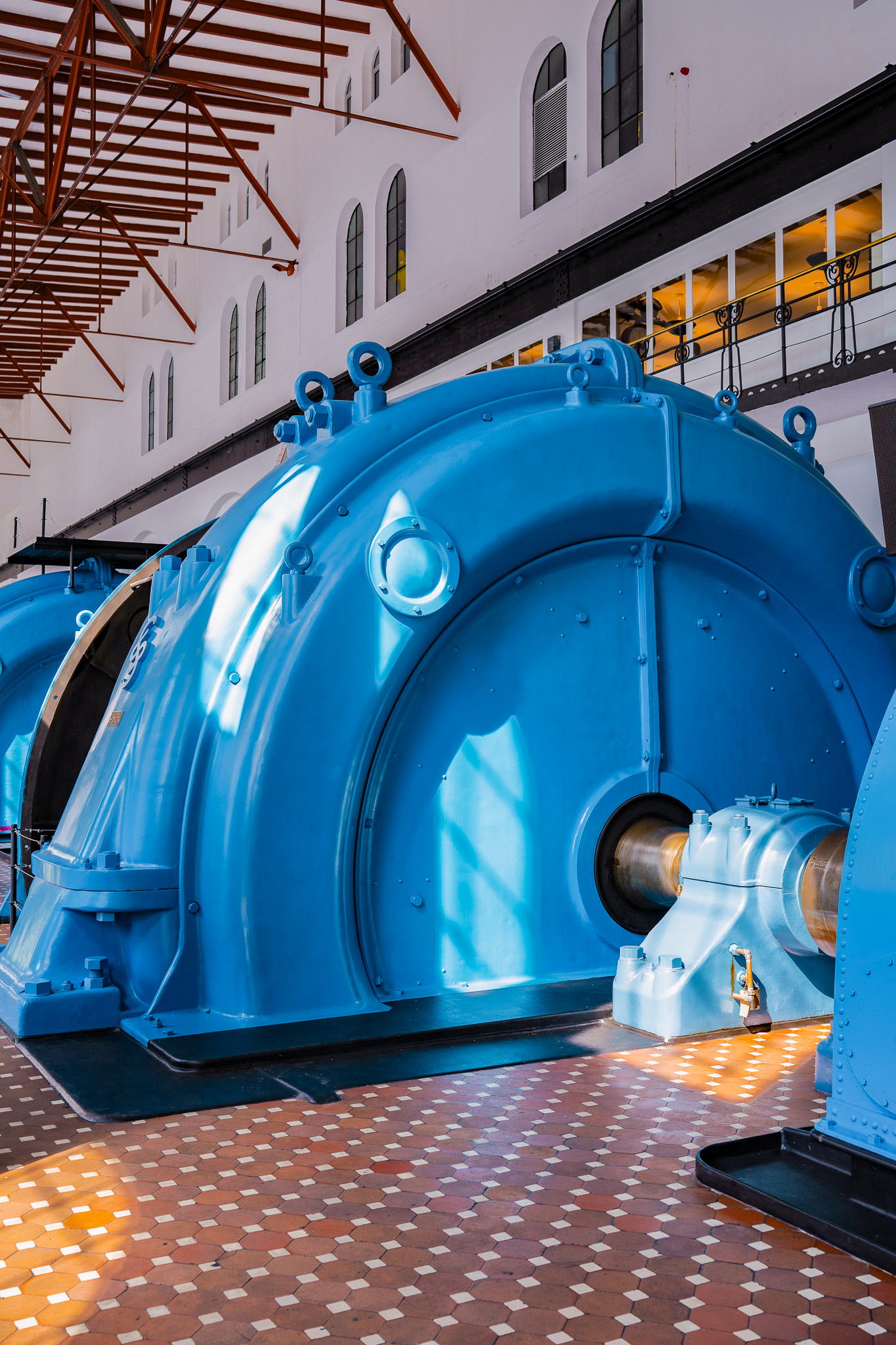
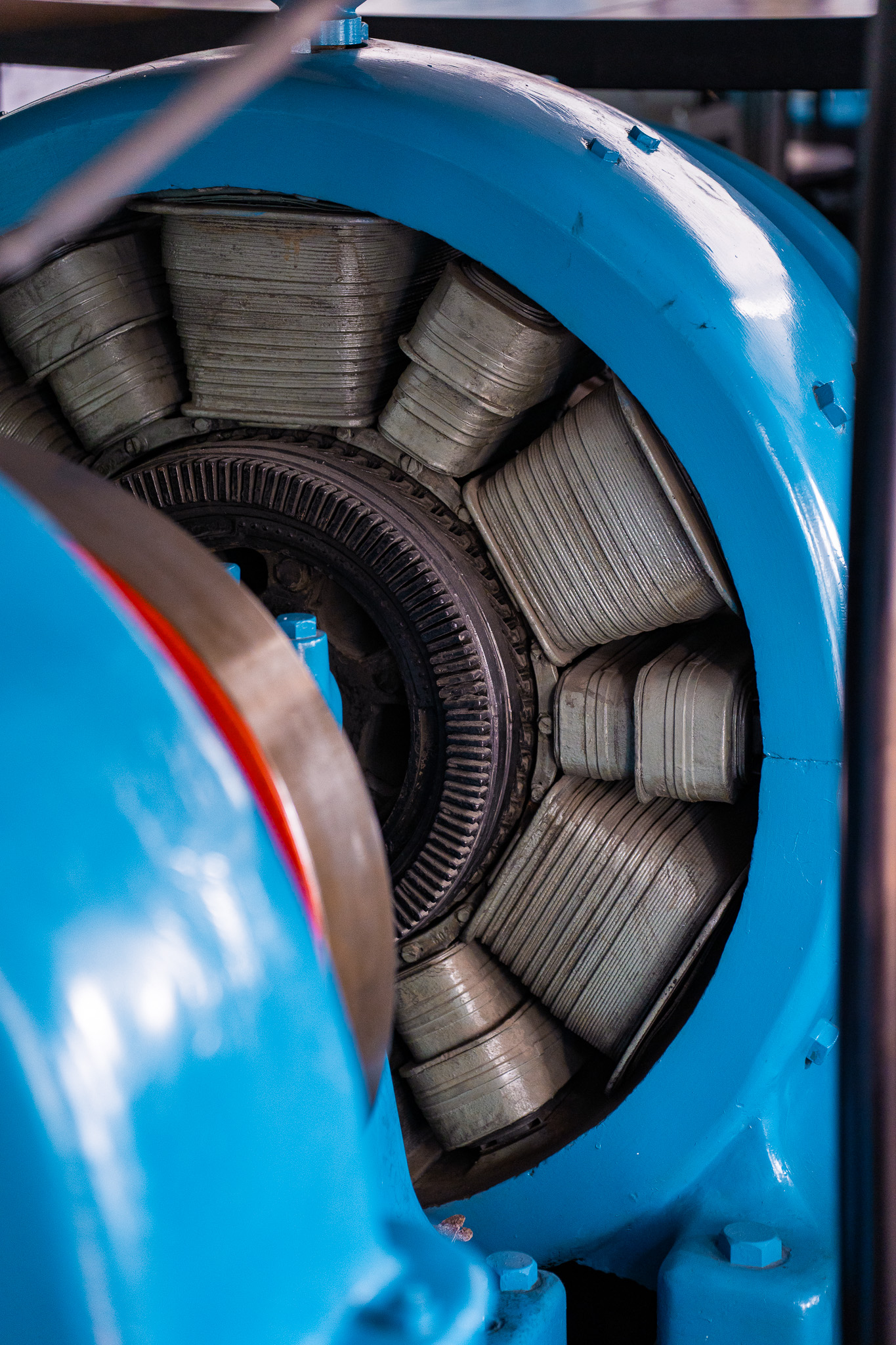
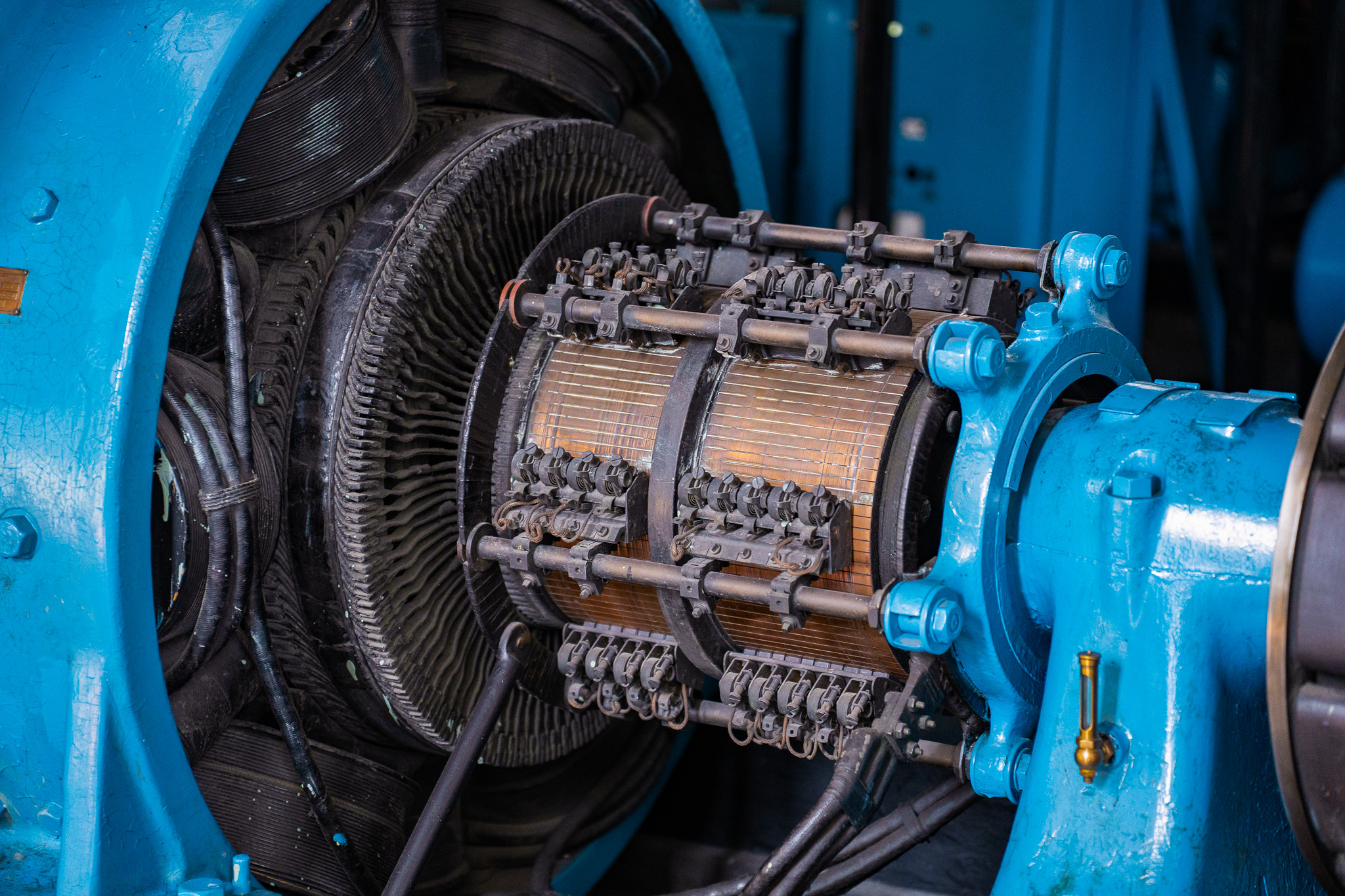
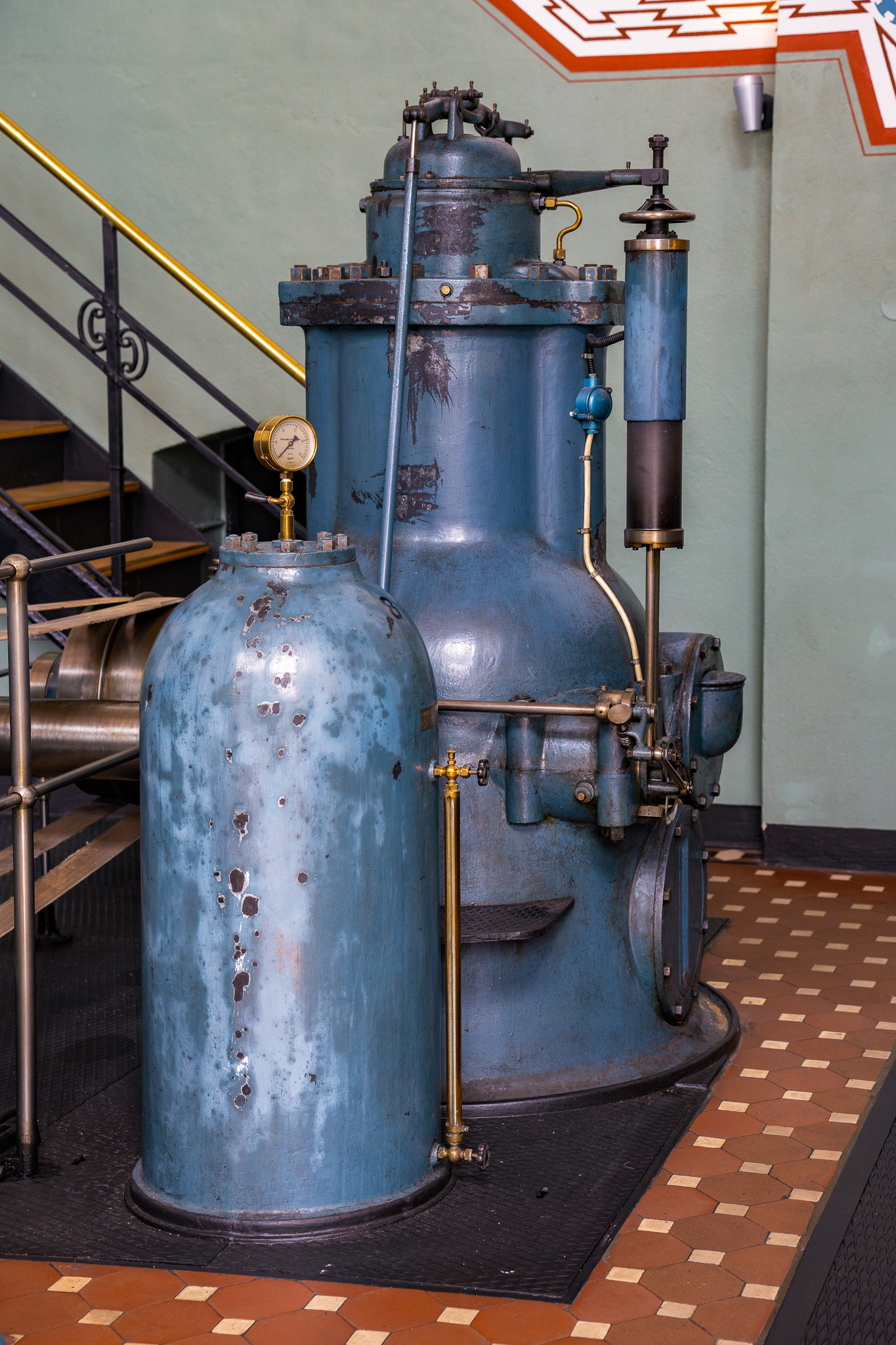
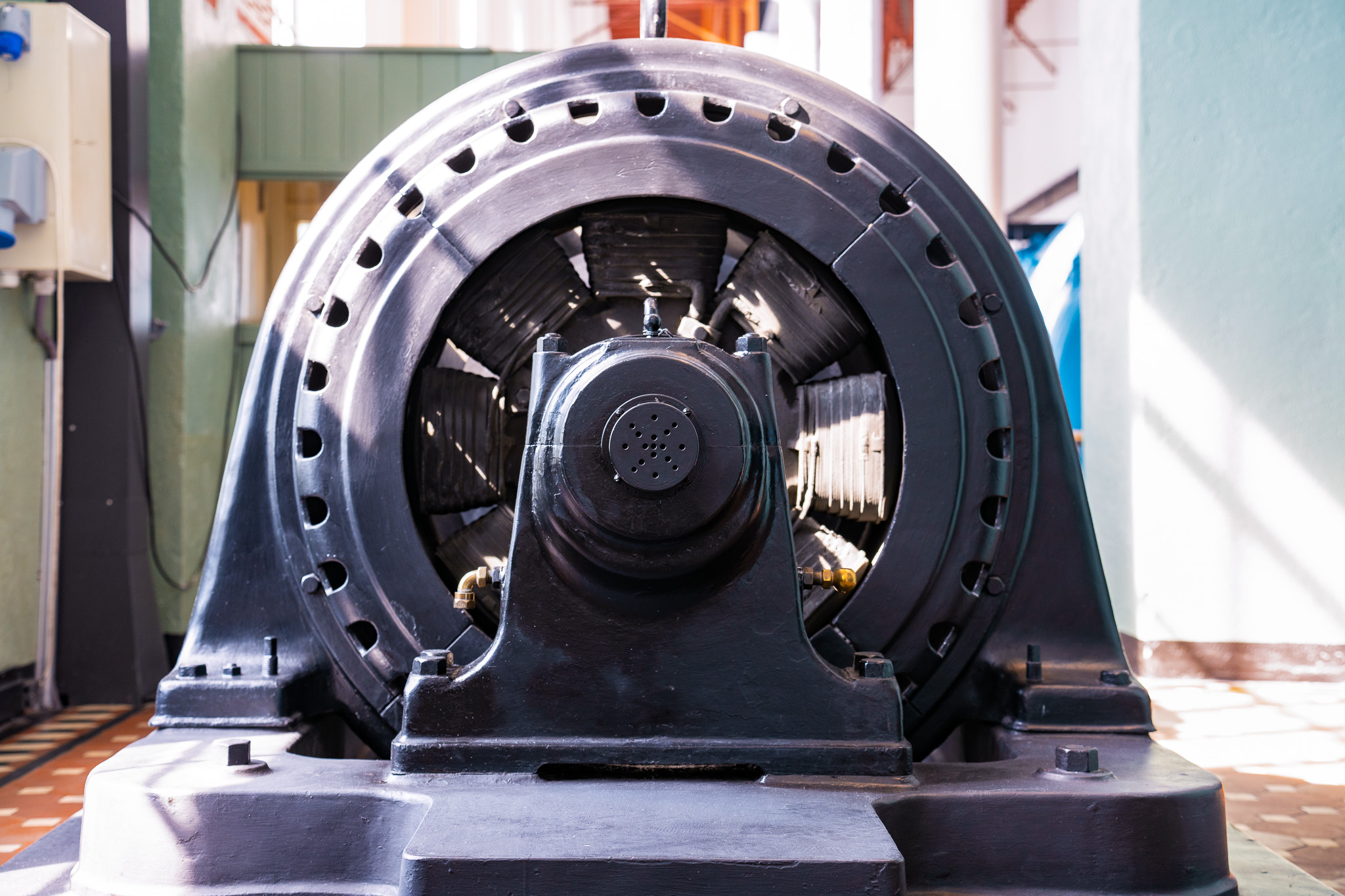
At the core of Kraftverk Tyssedal’s operations were its turbines and generators, housed in a grand turbine hall. These machines transformed the kinetic energy of water into electrical power, driving Norway’s early industrial growth. The station’s architecture, characterized by large arched windows and industrial detailing, reflects the era’s engineering prowess and design philosophy.
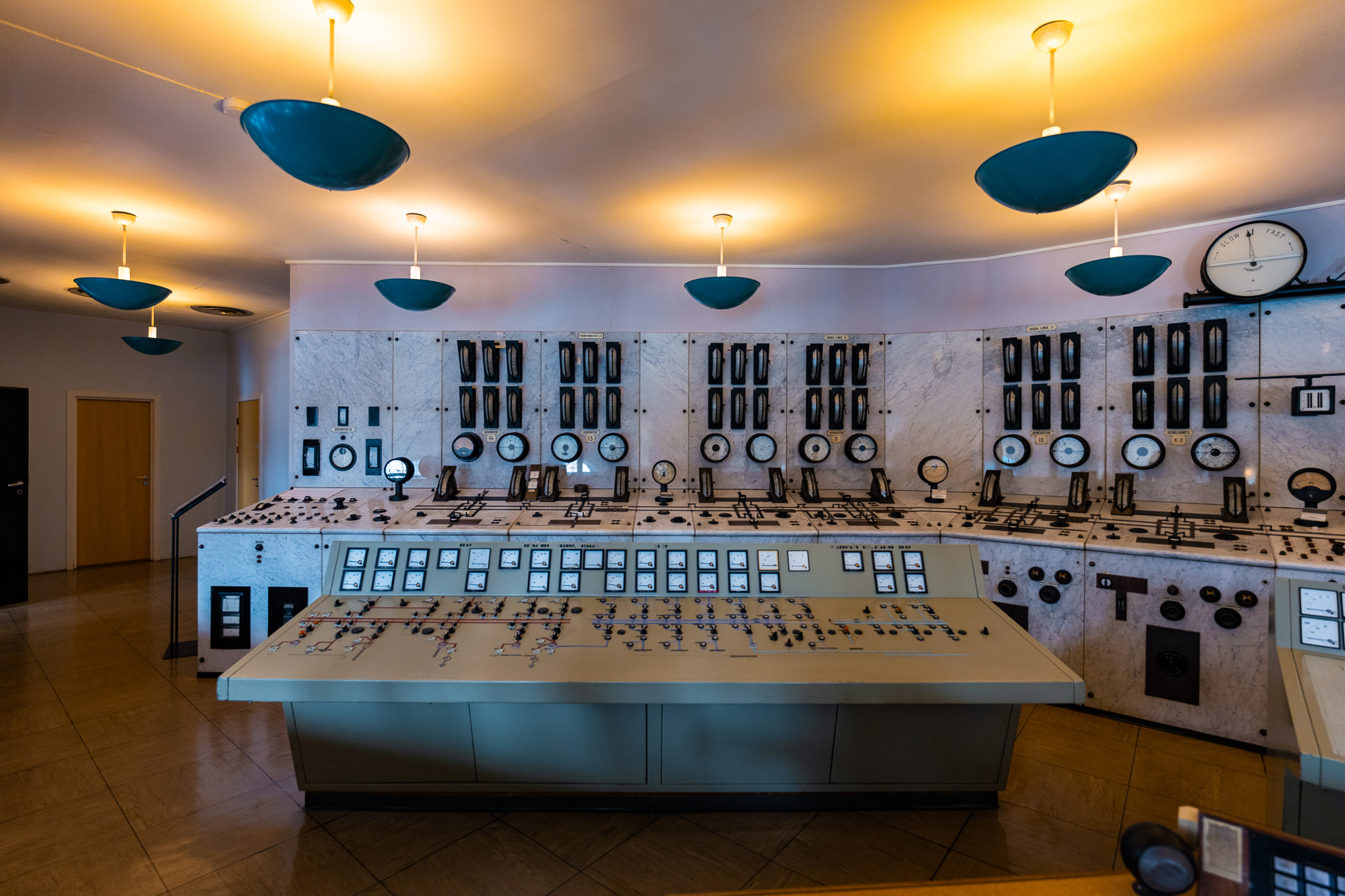
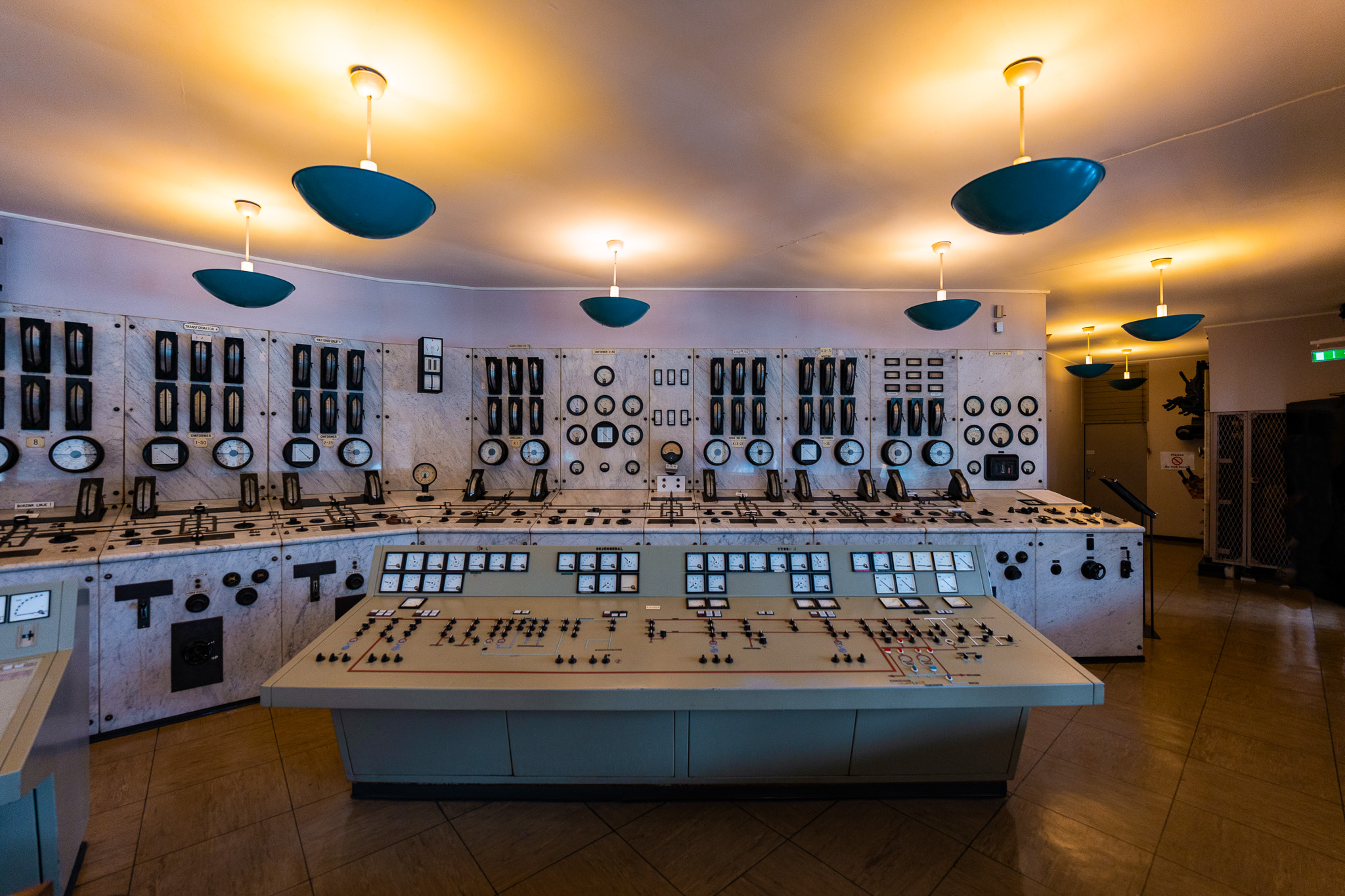
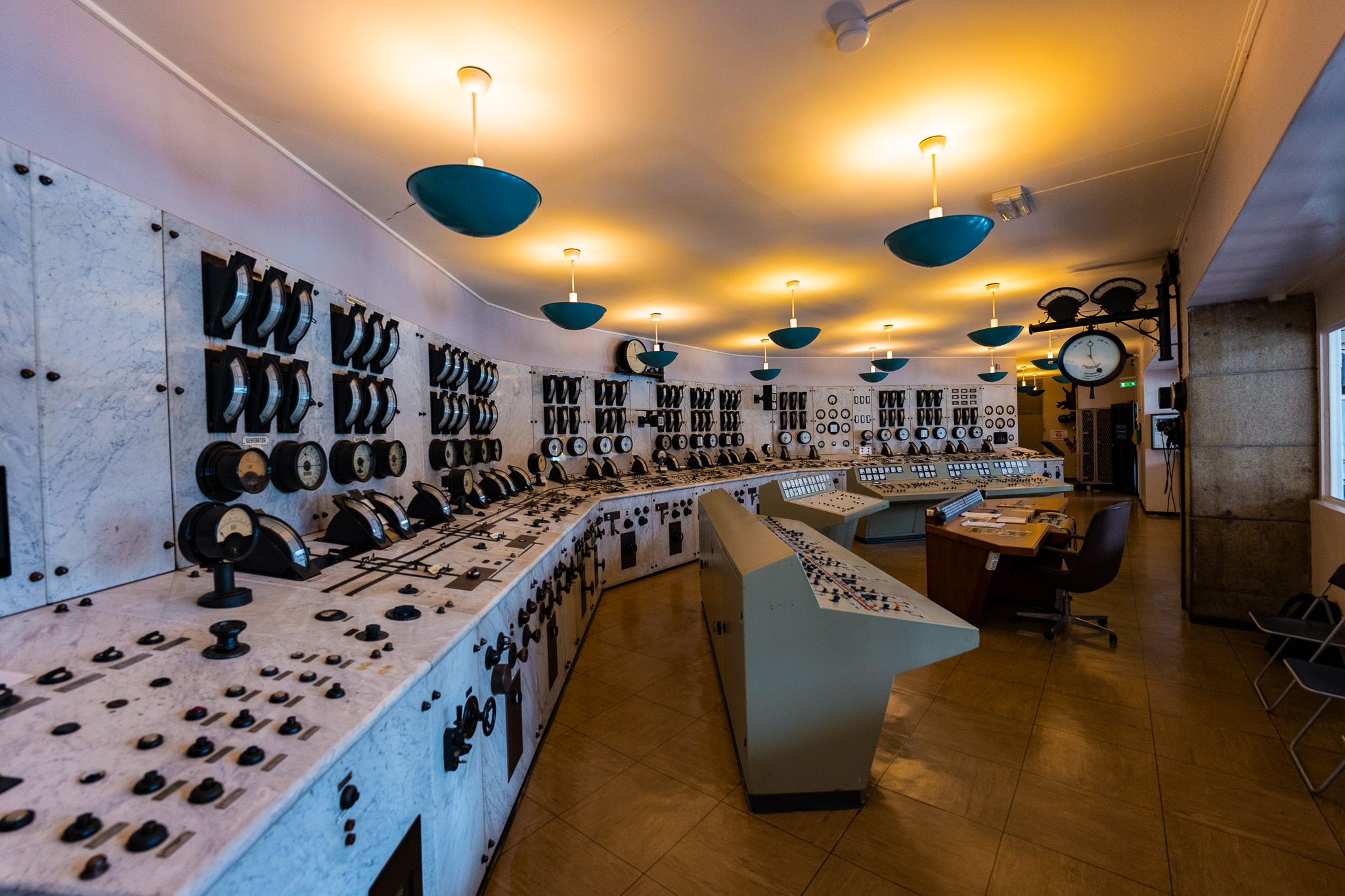
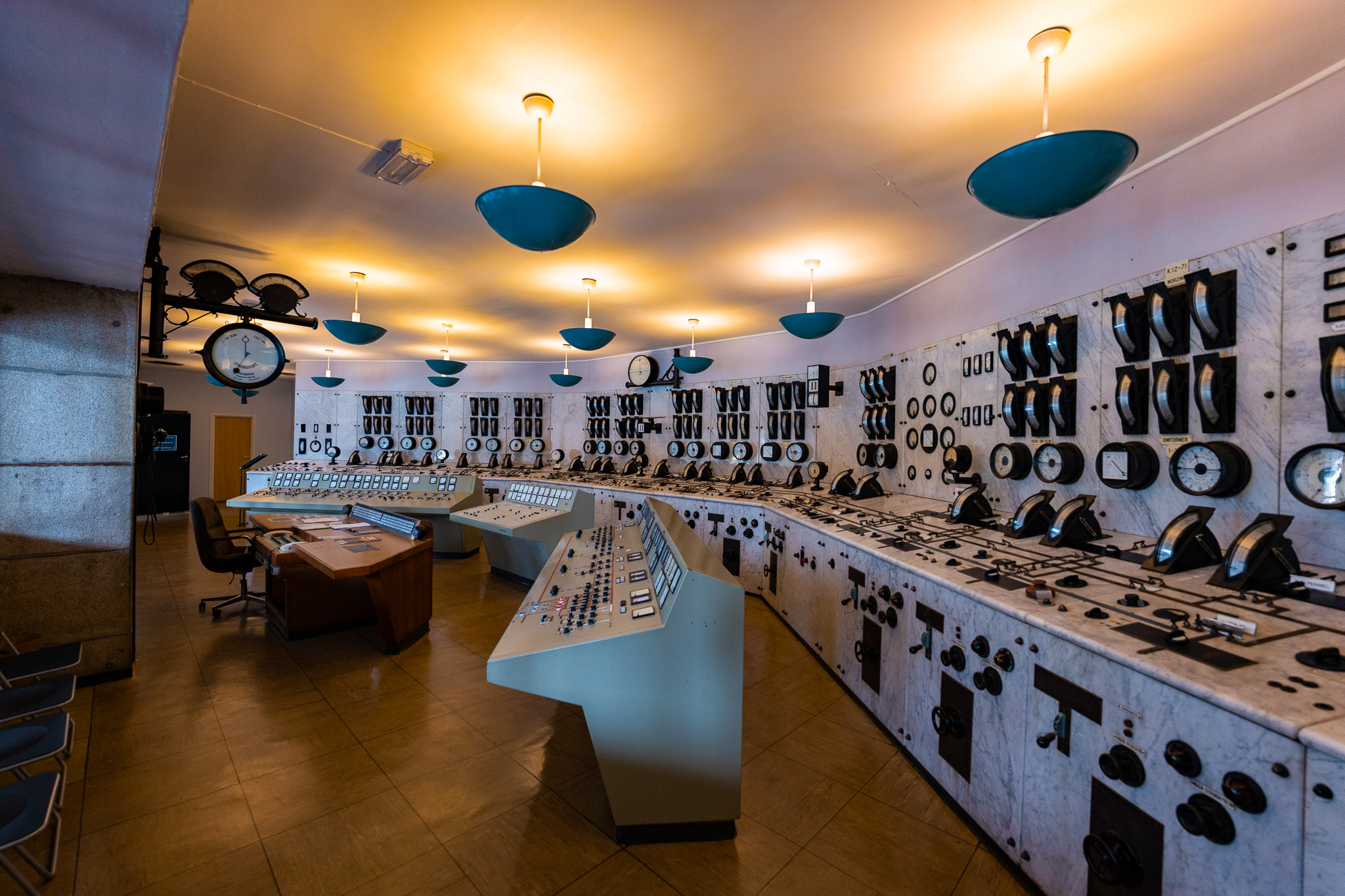
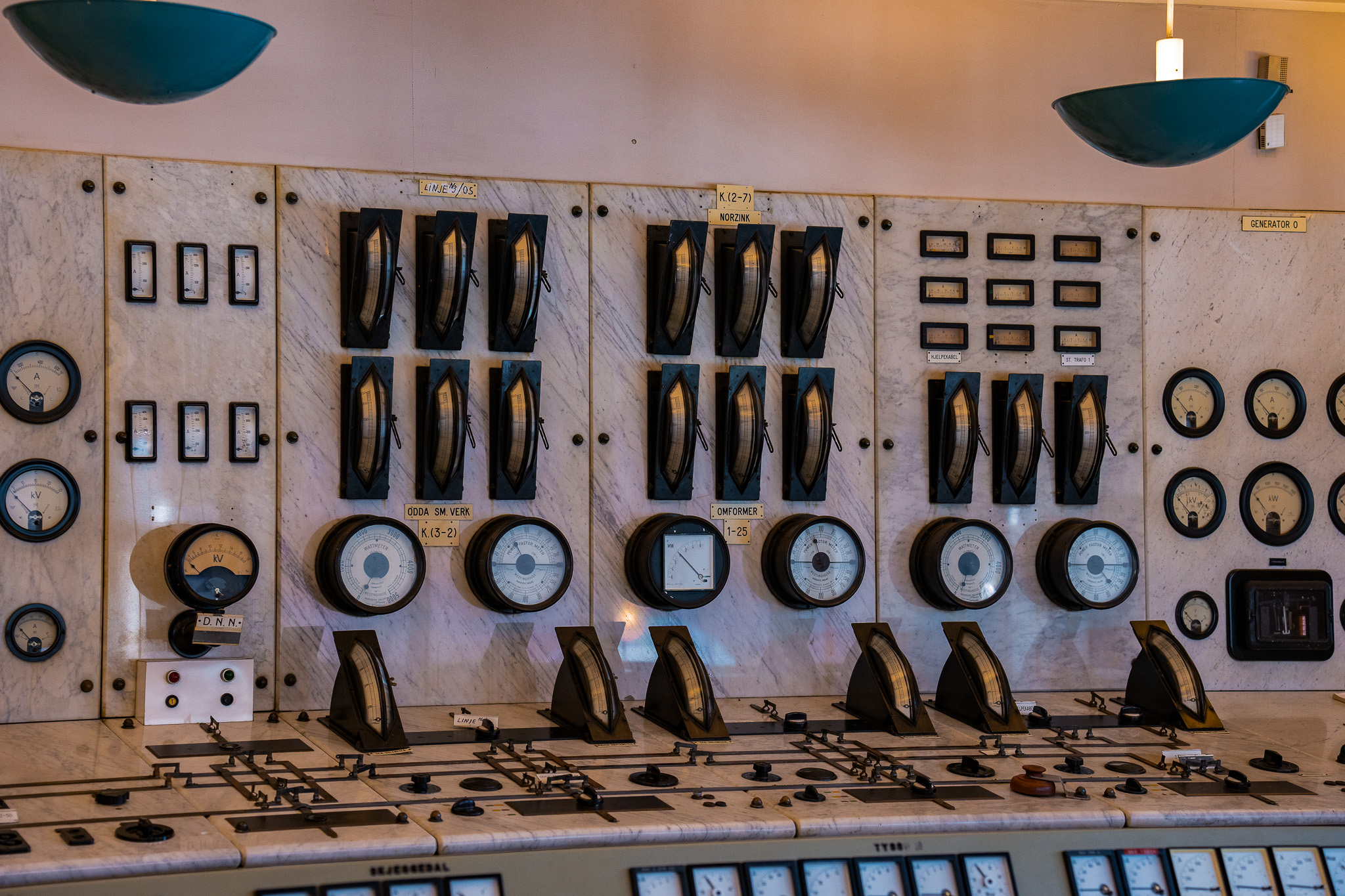
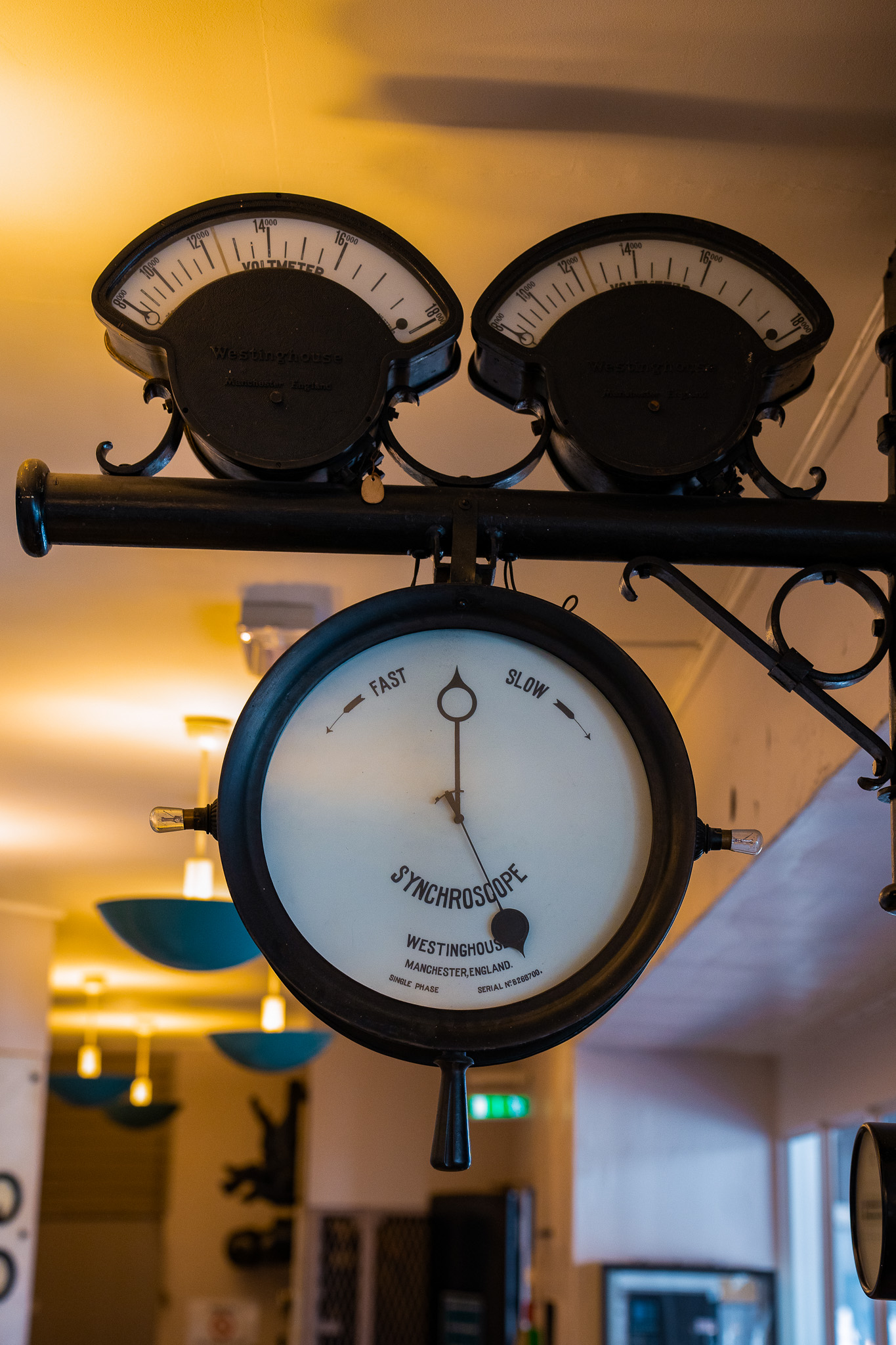
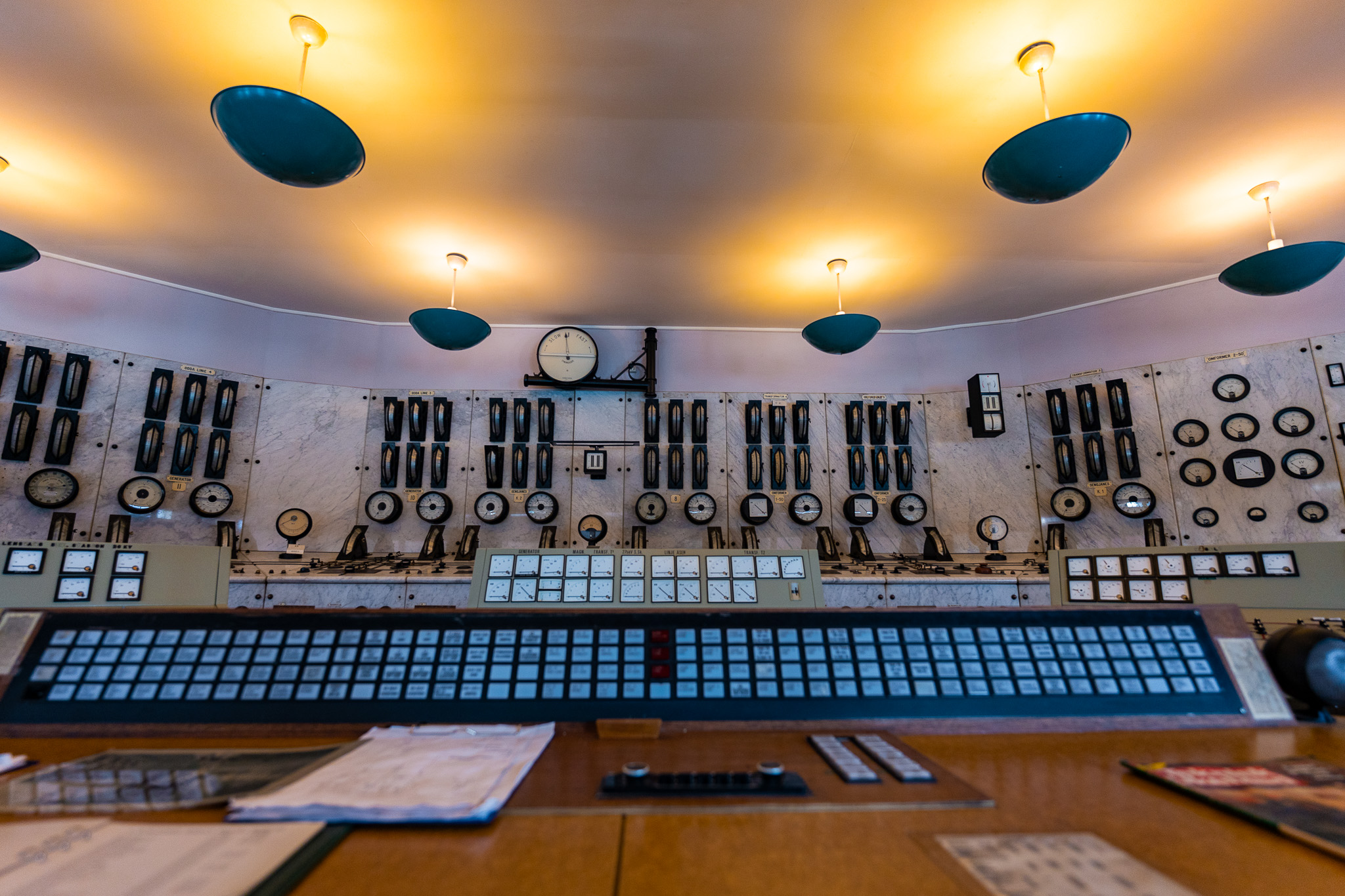
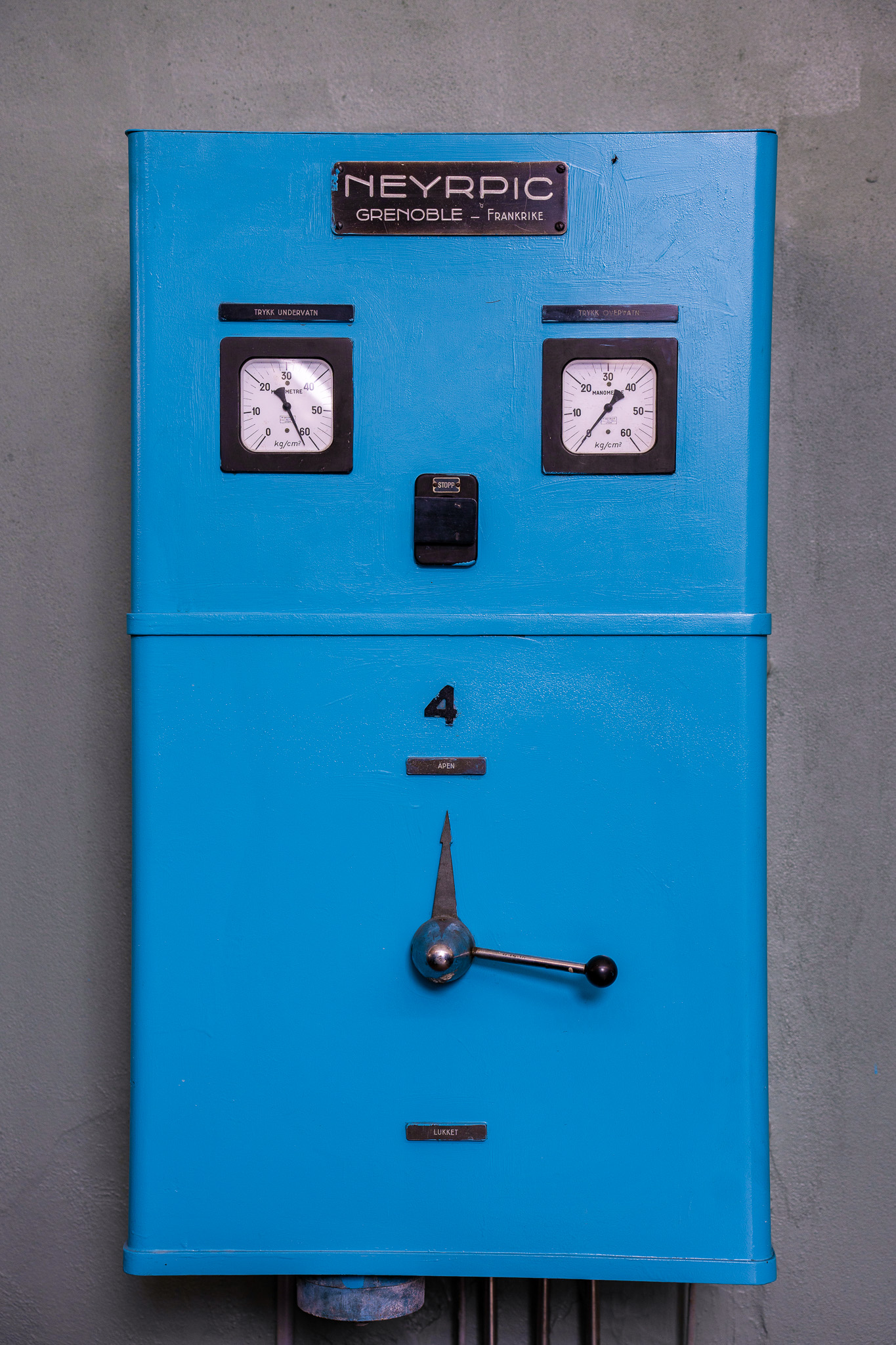
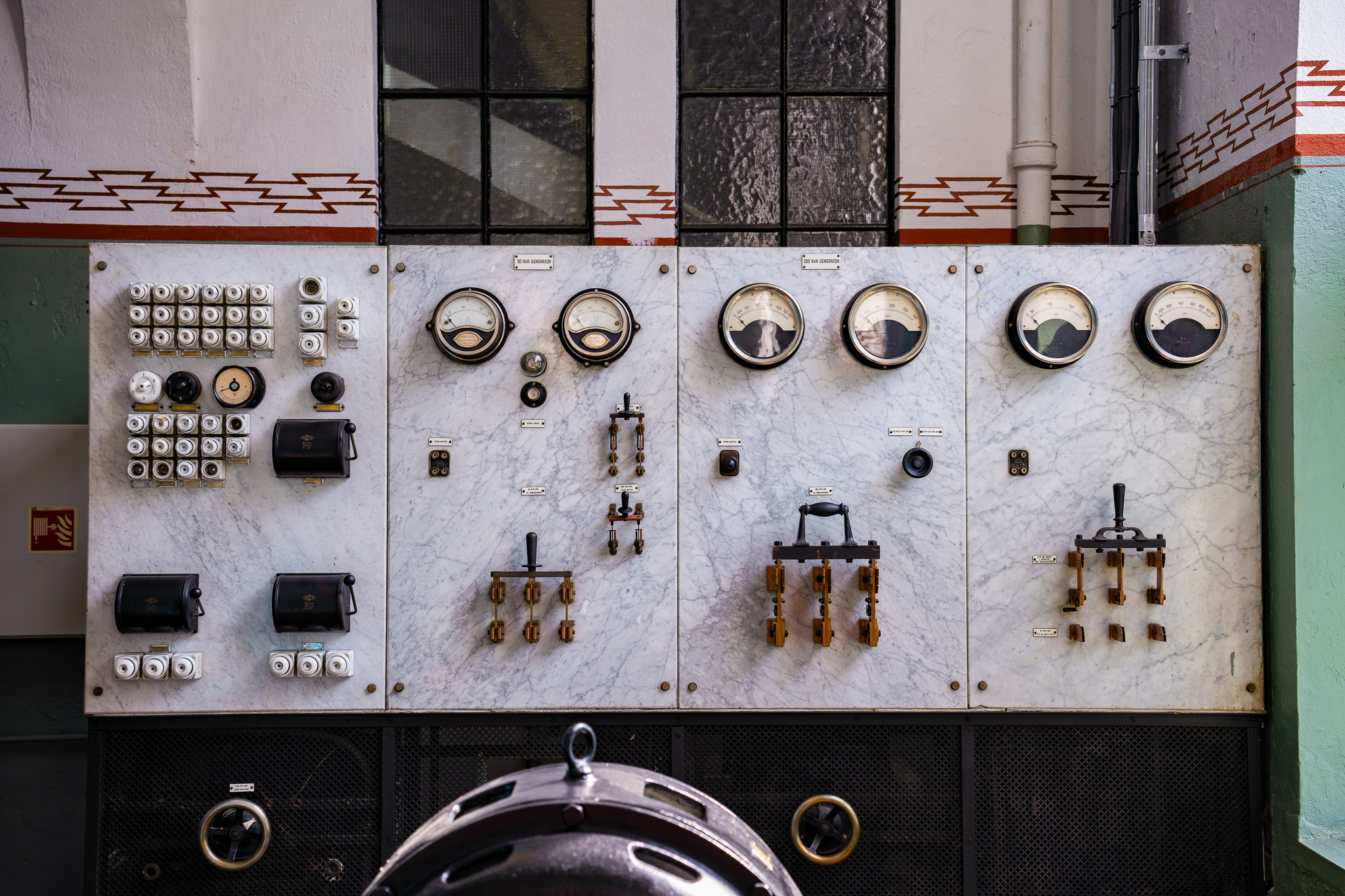
A defining feature of the power station is its historic control room. This space, preserved in its original state, showcases a collection of analog switchboards, dials, and meters that once regulated the facility’s output. Unlike modern digitalized control centers, the room’s mechanical precision and intricate paneling highlight the hands-on nature of early power management. The blend of polished wood, Bakelite switches, and brass fittings underscores the craftsmanship of the period.
In recent years, Kraftverk Tyssedal has transitioned from an active power station to an industrial heritage site. While no longer a key component of Norway’s energy infrastructure, it stands as a testament to the country’s pioneering role in hydroelectric power. The site now functions as a museum, offering insights into the evolution of energy production and industrial progress.
With its well-preserved machinery and atmospheric interiors, Kraftverk Tyssedal presents a compelling subject for industrial photography. The juxtaposition of aged equipment against the backdrop of Norway’s dramatic natural scenery creates striking visual contrasts. From the turbine hall’s imposing scale to the intricate details of the control room, the power station remains a rich source of inspiration for those drawn to the aesthetics of industrial history.
Kraftverk Tyssedal’s legacy endures as a symbol of Norway’s hydroelectric ingenuity. As industries continue to evolve, sites like this serve as reminders of the technological advancements that shaped modern energy systems, preserving the heritage of innovation and engineering excellence.